If you’ve noticed your windows fogging up lately, you’re not alone. Early spring in the Midwest often brings the perfect conditions for condensation to form on windows.
While it can be frustrating to see foggy glass, it’s often a normal result of changing temperatures and indoor humidity levels.
Why Window Condensation Happens
Condensation forms when warm, moist indoor air comes into contact with a colder surface. During late winter and early spring, the outside temperature is still fairly cold while your home remains warm inside.
When that warm indoor air touches the cooler window glass, moisture in the air turns into tiny water droplets on the surface of the window.
This is similar to how a cold drink “sweats” on a warm day.
Why It’s Common This Time of Year
Early spring weather creates the ideal conditions for condensation.
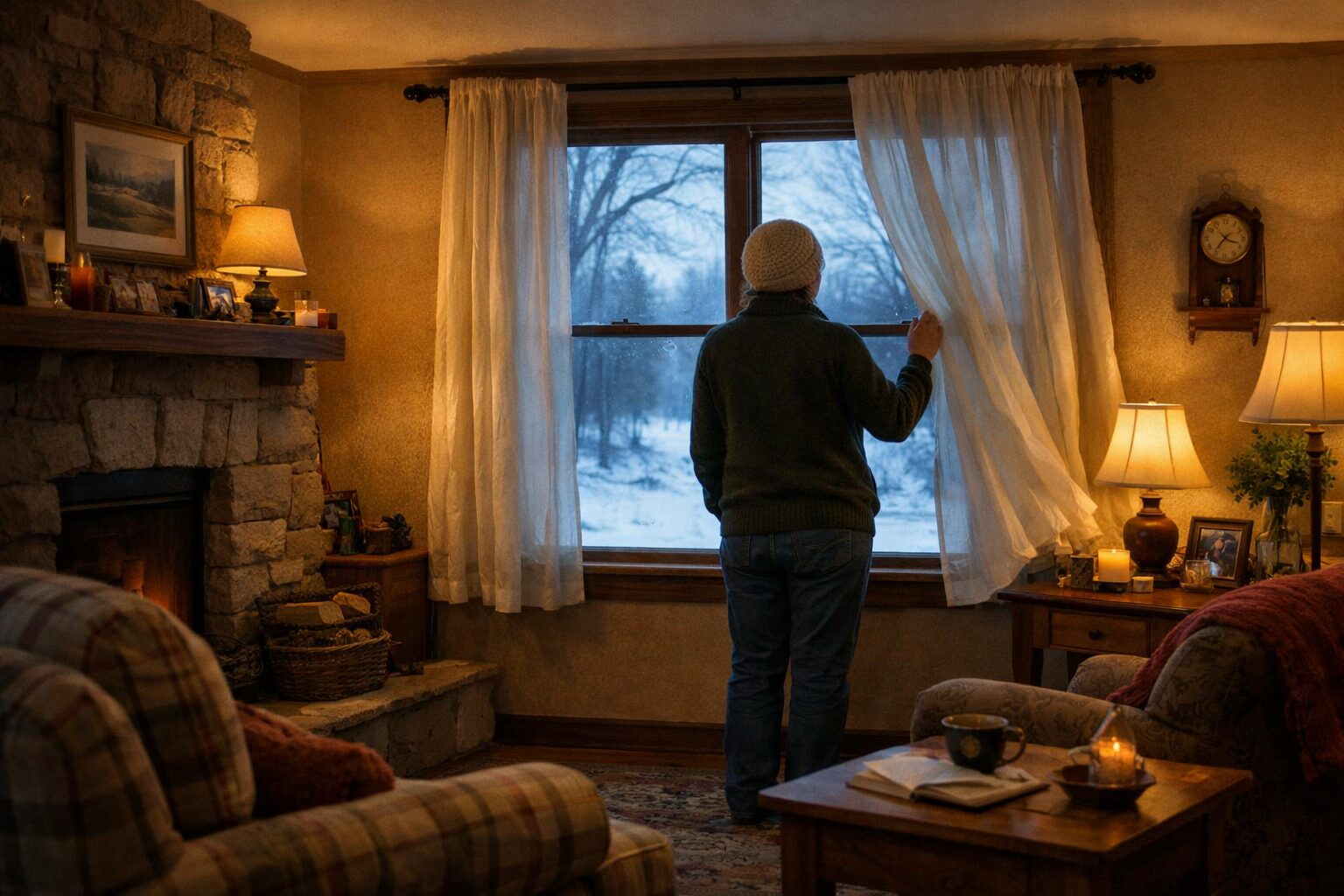
Homes are still being heated during chilly mornings and evenings, but outdoor temperatures begin fluctuating more throughout the day. These temperature differences make window surfaces cooler than the surrounding indoor air.
At the same time, indoor humidity can rise from everyday activities like cooking, showering, or running humidifiers.
When Condensation Is Normal
If you notice moisture on the inside surface of the glass, especially in the morning, it’s usually a normal reaction to humidity and temperature differences.
Improving airflow in the room, lowering humidity slightly, or running bathroom and kitchen exhaust fans can often reduce the issue.
When It May Be a Window Problem
Condensation that appears between the panes of glass can signal a different issue.
Modern double-pane windows contain a sealed air space between the panes. If that seal fails, moisture can enter and create fogging inside the window itself.
When this happens, the window may no longer insulate your home as effectively.
Checking Your Windows This Spring
Seasonal transitions are a good time to take a closer look at your windows. If you regularly see fogging between panes or notice drafts around frames, it may indicate aging seals or worn components.
Addressing these issues early can help improve comfort, energy efficiency, and the overall performance of your windows as the seasons change.