As winter begins to wind down, many homeowners notice something strange: certain rooms in the house suddenly feel colder or draftier than others.
Even when the thermostat says the temperature is comfortable, one room might still feel chilly. Late winter is often when these drafts become most noticeable.
Temperature Differences Become More Obvious
During the coldest part of winter, your heating system runs frequently and keeps temperatures fairly consistent throughout the home.
As the weather begins to fluctuate in late winter, your furnace may cycle on and off more often. These changing conditions can make existing drafts and temperature differences easier to feel.
Older Windows Can Let Cold Air In
One of the most common causes of drafty rooms is aging windows.
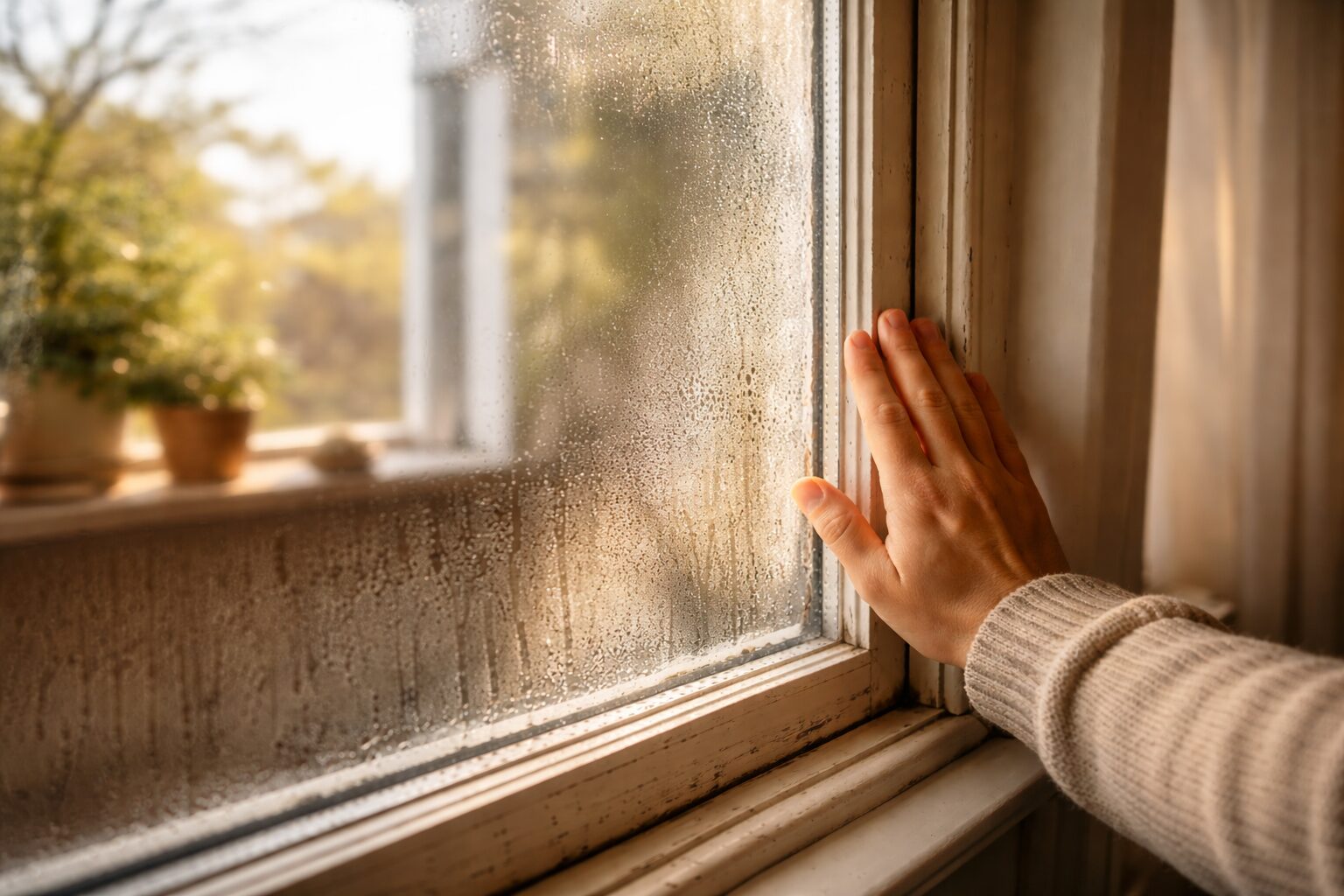
Over time, window seals and weatherstripping can wear down. Small gaps around the window frame may allow cold outdoor air to seep inside, especially on windy days.
Even a small amount of air leakage can make a room feel noticeably colder.
Certain Rooms Are More Vulnerable
Rooms with more exterior walls or larger windows tend to experience drafts more easily. Upper floors and rooms that face prevailing winter winds can also feel colder during late winter weather patterns.
Sunlight during the day may warm these rooms temporarily, but temperatures can drop again quickly once the sun sets.
Signs Your Windows May Be Contributing to Drafts
You may notice:
- cold air near the window frame
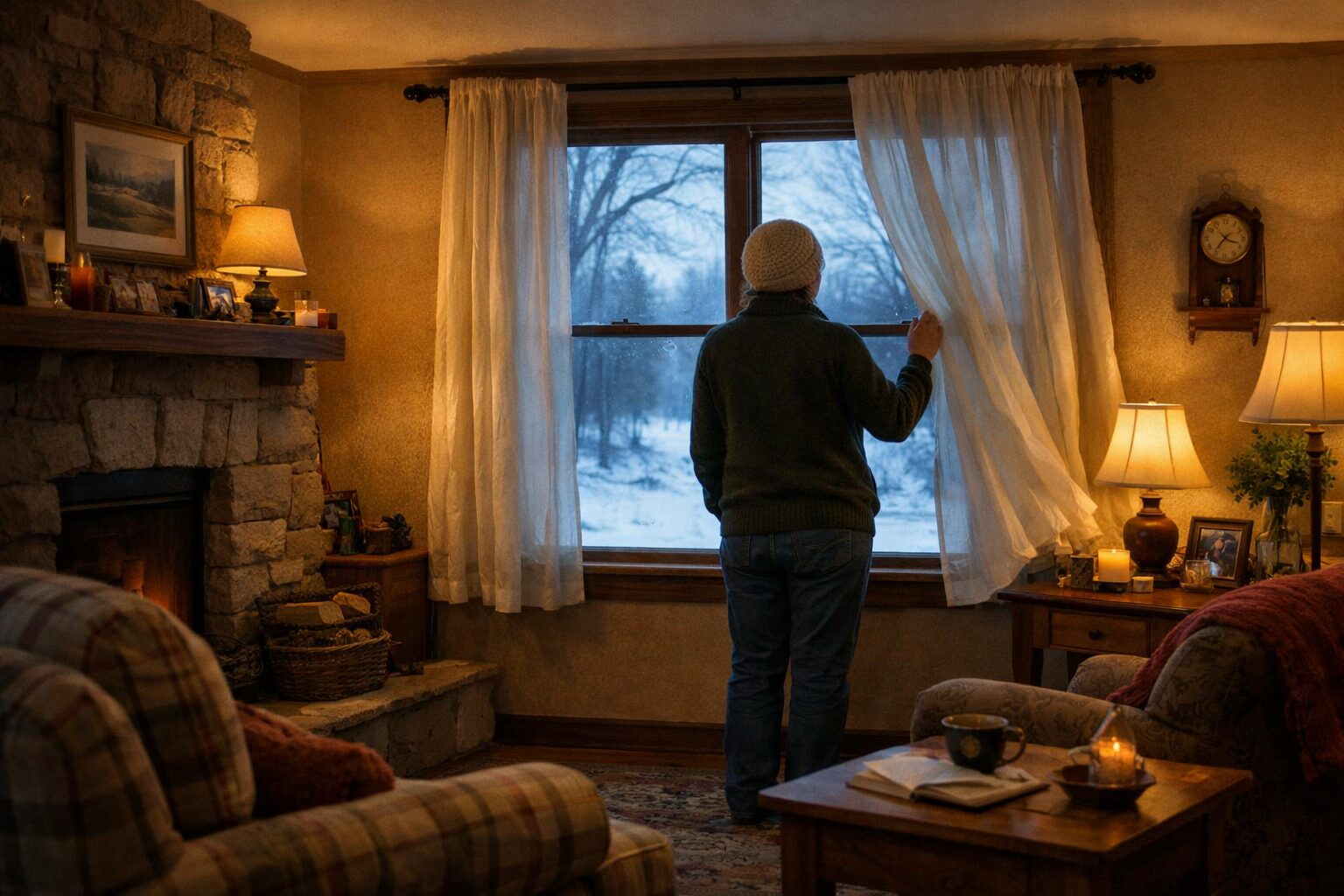
- curtains moving slightly on windy days
- rooms that never seem to stay warm
- higher heating bills during winter months
These signs can indicate that windows are allowing air leakage.
Improving Comfort Before Spring
Late winter is a good time to check for drafts and evaluate how well your windows are performing. Addressing worn seals or older windows can help improve comfort, reduce energy loss, and keep your home more comfortable throughout the changing seasons.