Windows have evolved far beyond their traditional role as simple barriers between inside and out. In 2026, they’re central to how homes look, feel, and perform — influencing everything from energy bills to resale appeal.
Whether you’re planning a renovation, considering an upgrade, or just curious about what’s ahead, these emerging trends offer insight into where window design and technology are heading — and how they might benefit your home.
1. Expansive Glass with Minimal Frames
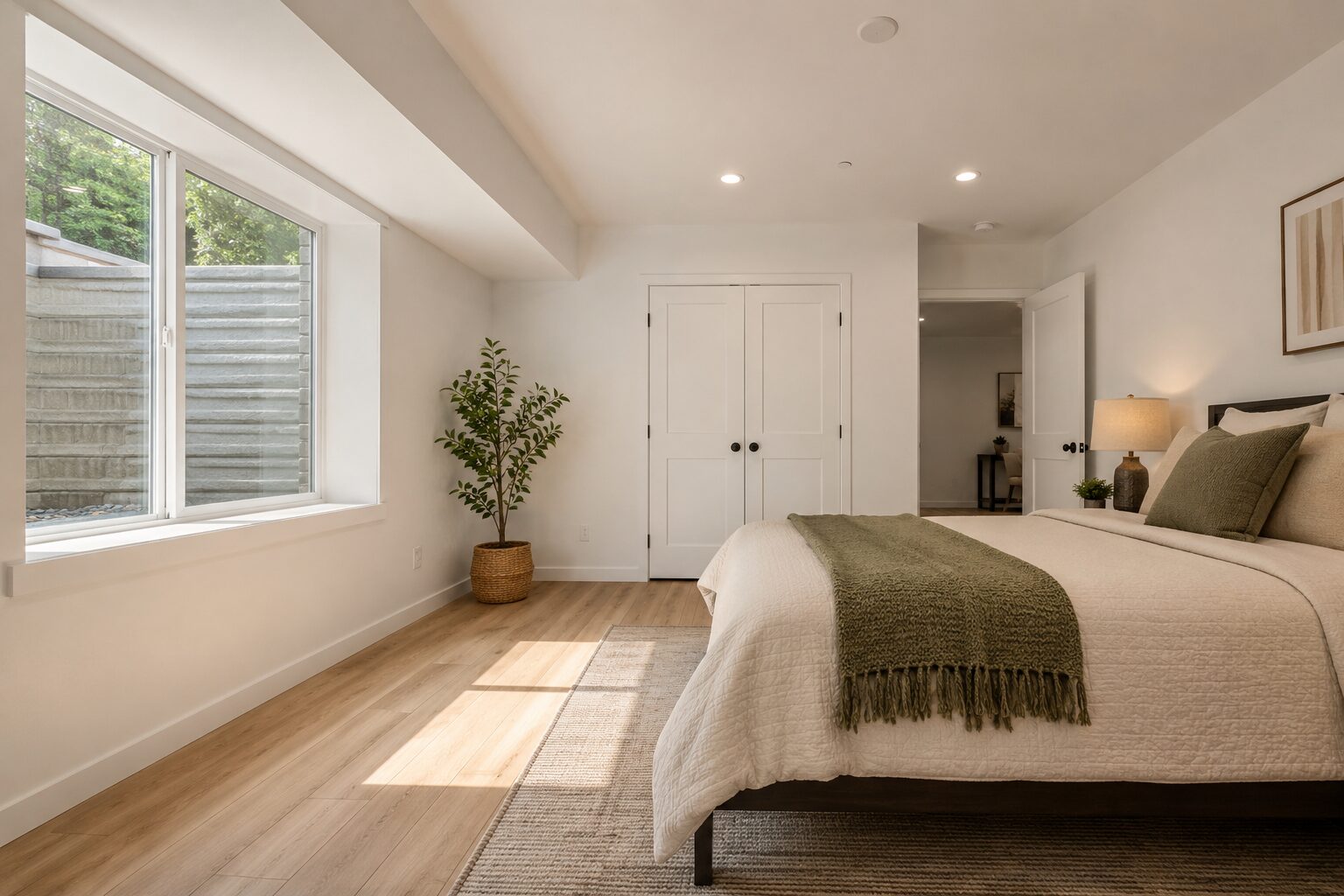
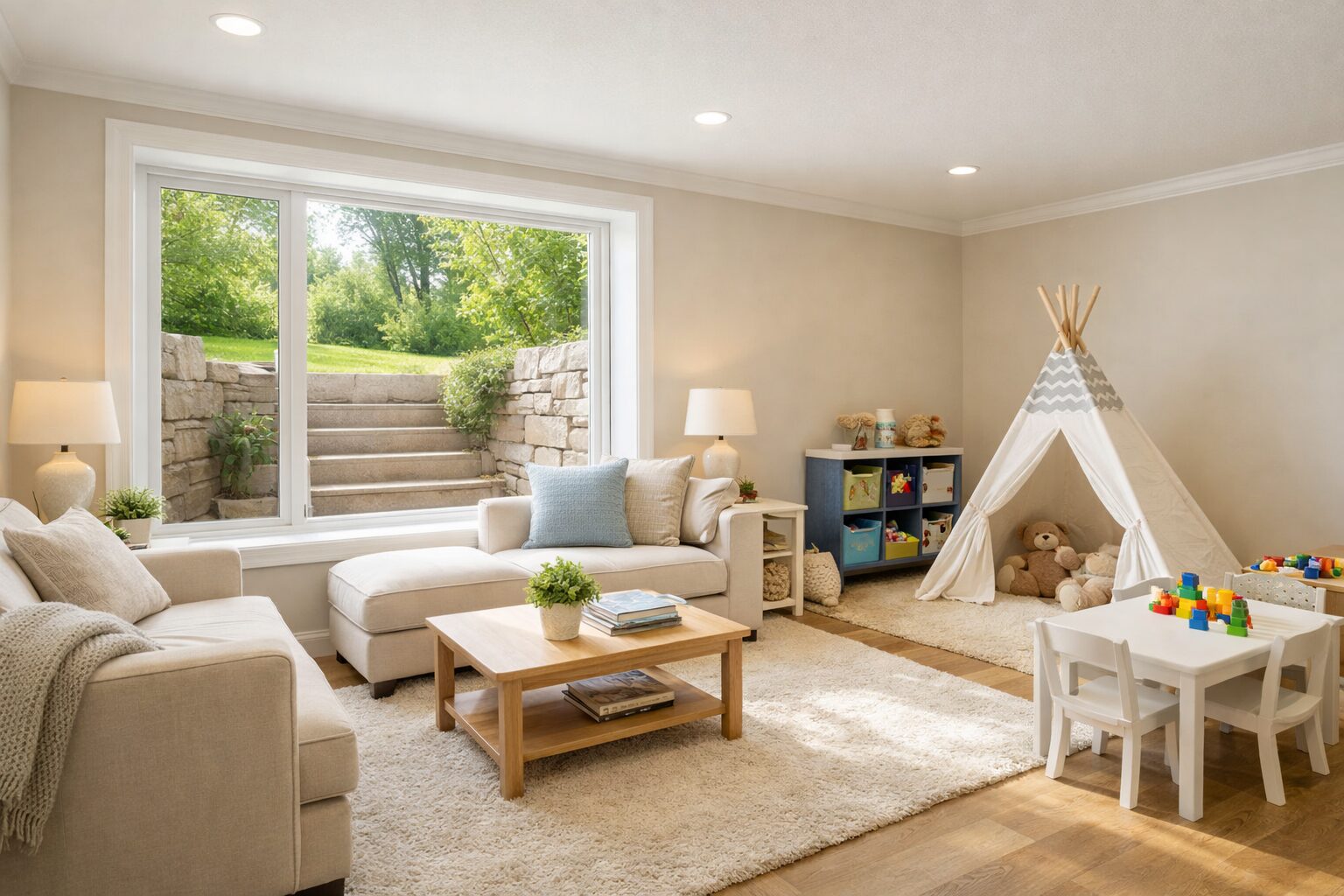
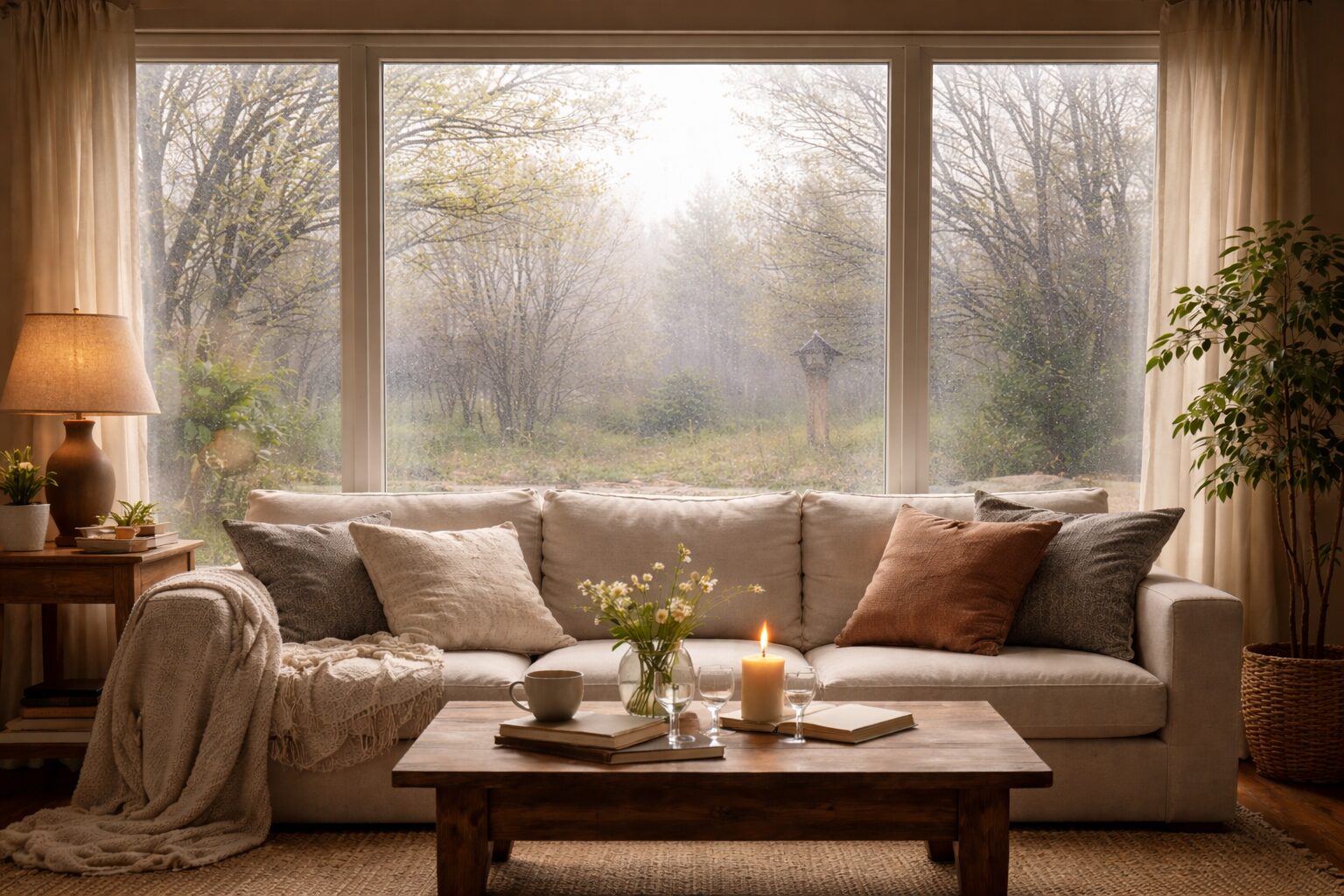
The demand for natural light continues to drive one of the most visible trends: larger windows with slimmer, less obtrusive frames. Homeowners want uninterrupted views, brighter interiors, and a seamless visual connection to outdoor spaces.
Thanks to advances in structural engineering and materials, manufacturers can now deliver:
- Ultra-narrow frames that maximize glass area without compromising strength or thermal performance
- Floor-to-ceiling installations that blur the line between indoors and outdoors
- Sleek profiles that complement both contemporary designs and updated traditional homes
This trend shows up most often in spaces where light and openness matter — living rooms with garden views, kitchens that open to patios, and primary bedrooms designed as personal retreats.
The result? Rooms that feel larger, brighter, and more connected to the natural world outside.
2. Energy Efficiency Moves from Premium to Standard
Energy-efficient windows used to be an upgrade. In 2026, they’re the baseline. With utility costs climbing and climate awareness growing, homeowners expect windows that actively reduce energy use and improve year-round comfort.
What’s driving this shift?
Modern windows now routinely include:
- Triple-pane glass with argon or krypton gas fills that provide superior insulation
- Advanced low-E coatings that reflect heat back into your home during winter and block solar heat gain in summer
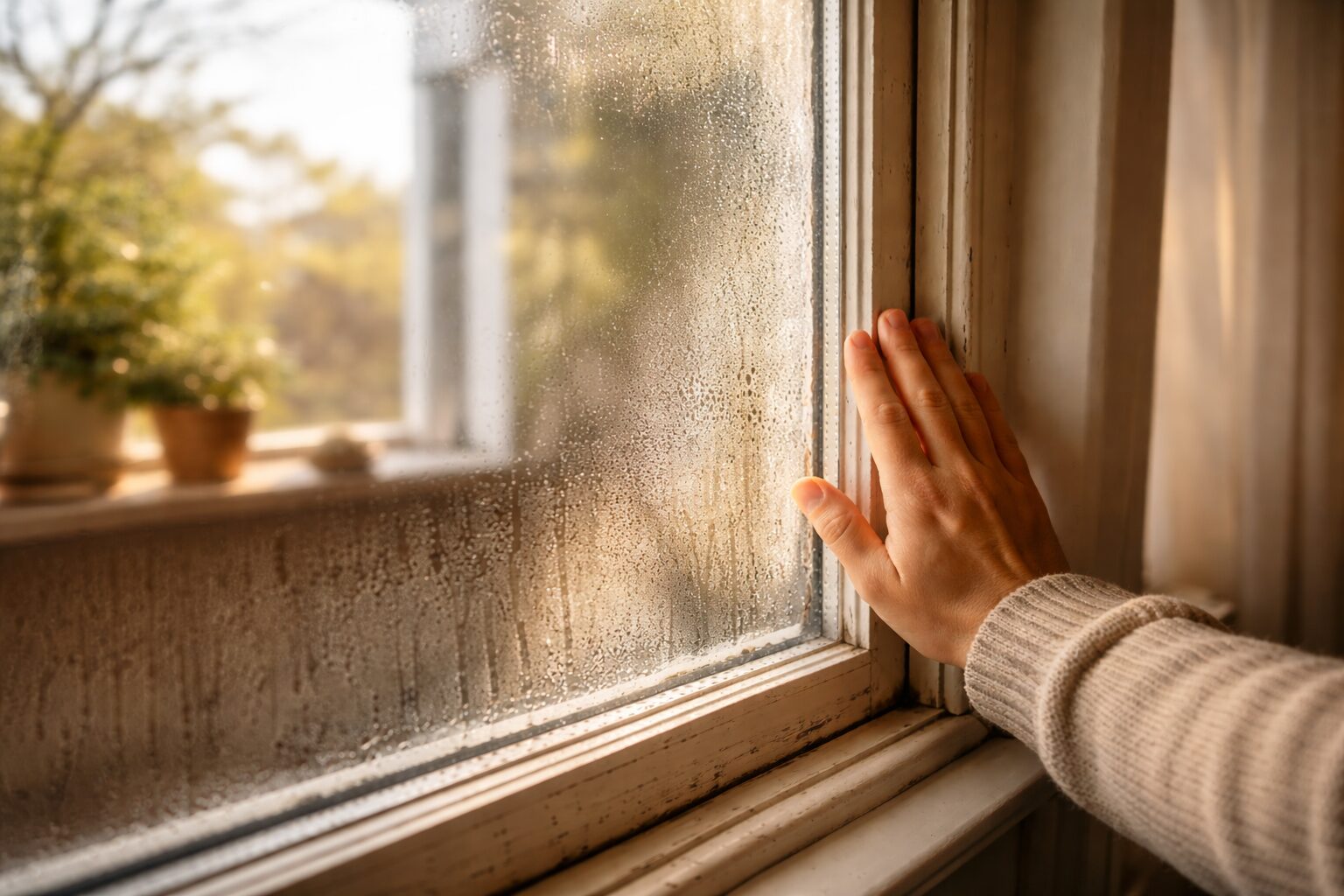
- Warm-edge spacer systems that reduce condensation and improve overall thermal performance
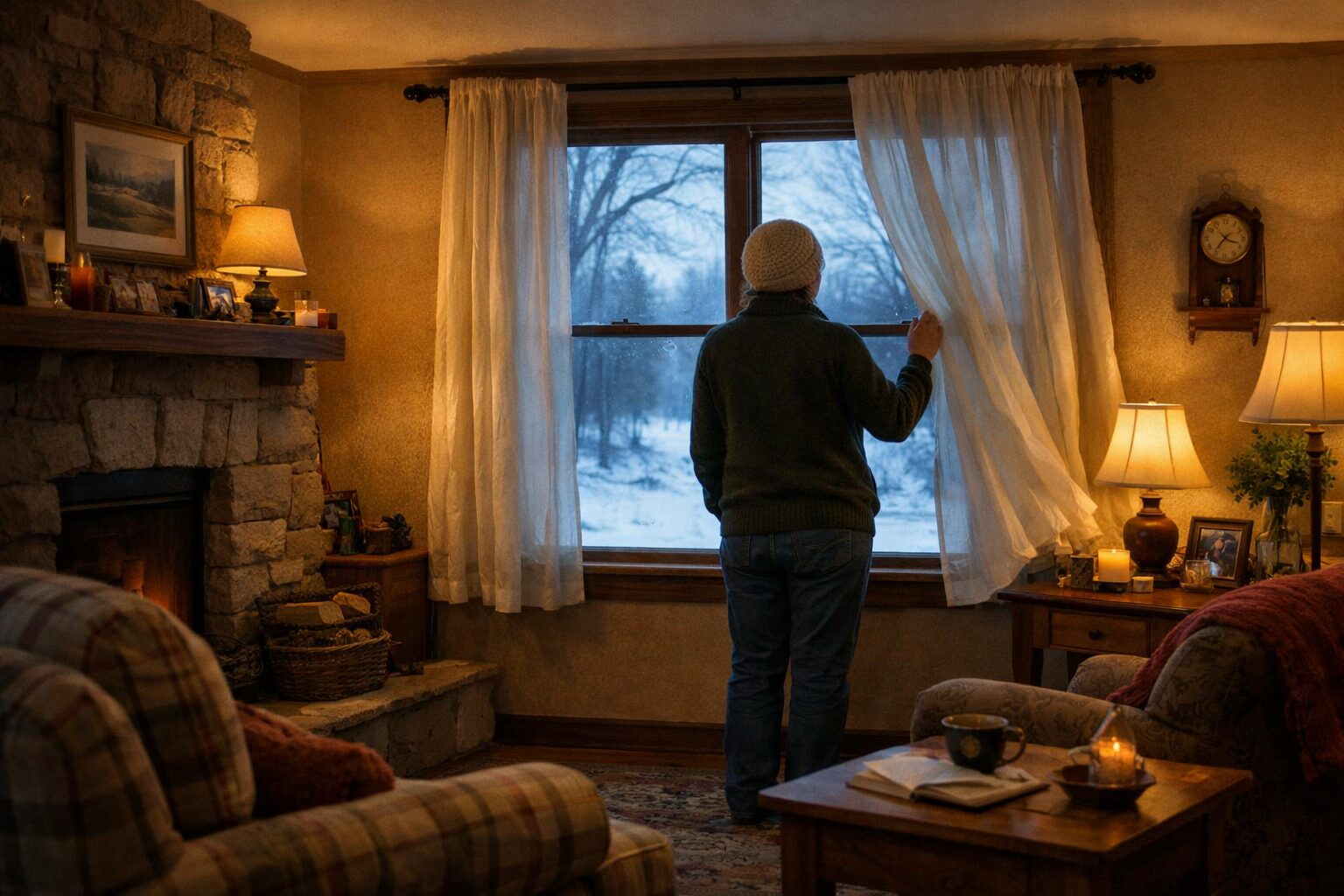
These aren’t just technical features — they translate into real, measurable benefits. Homes stay warmer in January without cranking the furnace, cooler in July without overworking the AC, and more comfortable overall with fewer drafts and cold spots.
For Central Indiana homeowners dealing with humid summers and cold winters, high-performance windows aren’t optional — they’re one of the smartest investments you can make.
3. Thoughtful Integration with Smart Home Systems
While we’re not yet seeing widespread adoption of electrochromic (tint-adjusting) glass in residential applications, 2026 brings growing interest in windows that work with smart home technology rather than replacing traditional function with complex controls.
Homeowners are focusing on:
- Strategic placement that maximizes passive solar heat gain in winter while minimizing it in summer
- Operable windows positioned to support natural ventilation and reduce HVAC dependency
- Compatibility with automated shading systems that adjust throughout the day
The emphasis is on simplicity and effectiveness. Rather than windows you control with an app, the trend leans toward designs that make your home naturally more efficient — requiring less intervention, not more.
This approach respects how people actually live. A well-designed window that captures morning light or creates cross-ventilation doesn’t need batteries or software updates to improve your daily experience.
4. Bold Frame Colors with Staying Power
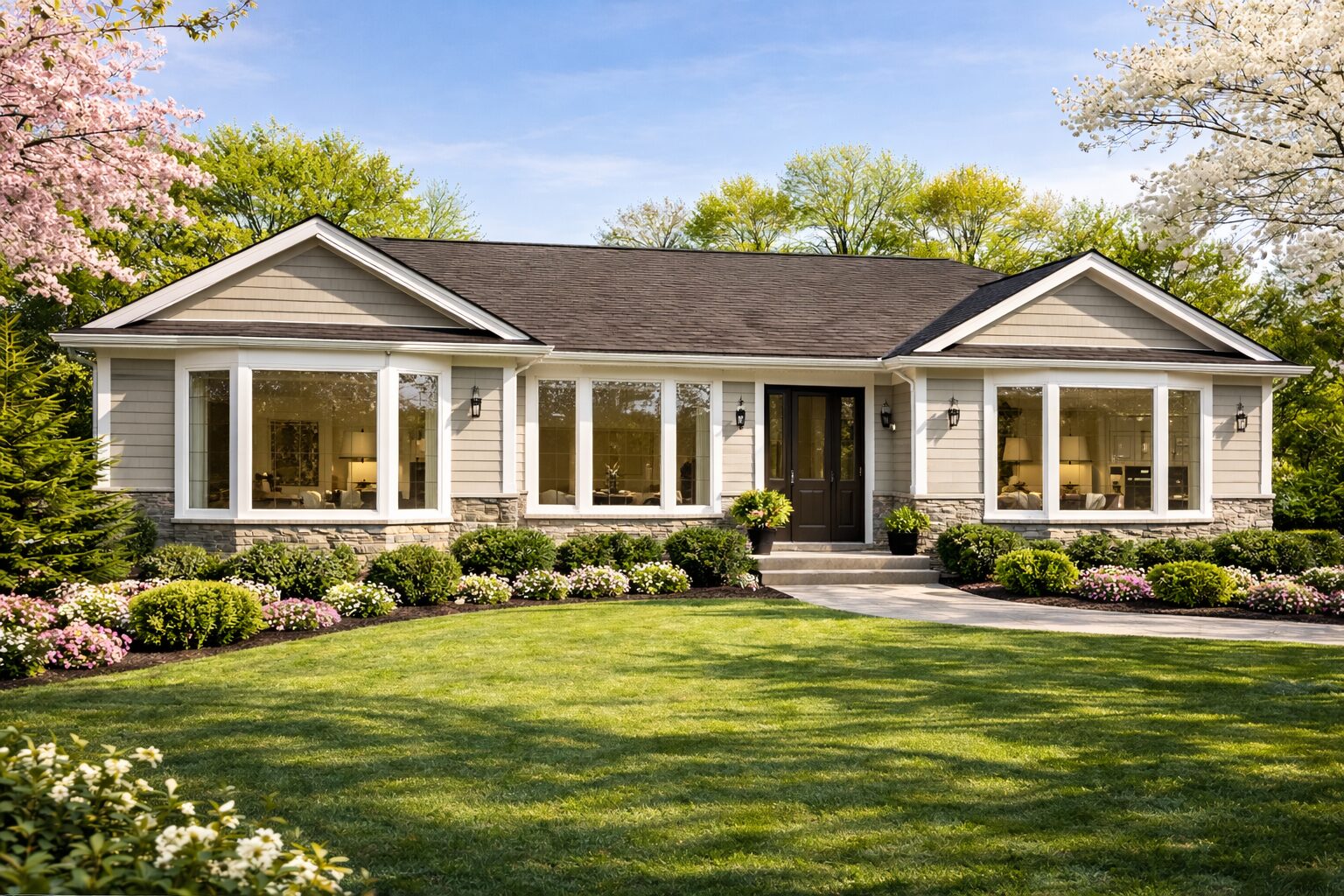
White and beige windows aren’t going anywhere, but homeowners in 2026 are increasingly drawn to darker, more distinctive frame colors — especially black, charcoal, bronze, and deep gray.
These finishes offer:
- Striking contrast against light-colored siding or interior walls
- Architectural definition that highlights window shapes and proportions
- A modern sensibility that works surprisingly well with traditional home styles
The key is restraint. Dark frames make a statement without overwhelming a space. They add character and sophistication while remaining timeless enough to hold their appeal for decades.
Expect to see this trend applied selectively — perhaps on a dramatic bank of living room windows, a statement entry door with sidelights, or exterior windows that emphasize a home’s horizontal or vertical lines.
5. The Shift Toward Long-Term Value
Perhaps the most significant trend isn’t about appearance at all — it’s about mindset. Homeowners in 2026 are making window decisions with a 20- or 30-year horizon in mind, prioritizing durability, performance, and timeless design over fleeting aesthetics.
This means choosing windows that:
- Balance beautiful design with measurable performance — not one at the expense of the other
- Increase home value and comfort both now and at resale
- Require minimal maintenance over their lifespan
Quality materials matter. Professional installation matters. Working with experienced contractors who understand your local climate and your home’s specific needs matters.
The best window isn’t the one that follows every trend — it’s the one that fits your home, improves how you live, and continues to perform beautifully years down the road.
Planning Your Window Upgrade?
Trends offer helpful direction, but the right windows for your home depend on your priorities, your budget, and your vision for how your space should look and feel.
Whether you’re thinking ahead to a future project or ready to move forward now, a conversation with experienced professionals can help you explore options, understand what’s possible, and make confident decisions that serve your home well into the future.
Curious how 2026’s window trends might work in your space? Let’s talk about what makes sense for your home.