When most homeowners think about window problems, they picture a cracked pane or a broken lock. But the reality is that major window failures rarely happen in isolation. Your windows are part of a complex system, and their long-term health depends on how well your entire home manages water, moisture, structural stress, and temperature changes.
Understanding this interconnected relationship can help you catch problems early, extend the life of your windows, and avoid expensive emergency replacements. Let’s explore how your home affects your windows—and what you can do to protect them.
What Does “Window Failure” Really Mean?
Window failure goes far beyond broken glass. It refers to any condition where a window can no longer perform its essential functions: keeping out water and air, providing insulation, operating smoothly, and maintaining a clear view.
Common types of window failure include:
- Seal failure, which allows moisture between the panes and creates that telltale foggy appearance
- Frame rot or deterioration, especially in wood windows exposed to ongoing moisture
- Broken or ineffective weatherstripping, leading to drafts and energy loss
- Operational failure, where windows stick, won’t lock, or refuse to open
- Water infiltration, causing leaks, stains, and interior damage
These failures don’t usually happen overnight. They develop gradually as a result of ongoing stress from the environment around them—starting with your home itself.
How Water Management Affects Your Windows
Water is the single biggest threat to window longevity. Even the highest-quality windows will fail prematurely if your home doesn’t properly manage rain, snow, and runoff.
Gutters and downspouts are your first line of defense. When gutters clog or overflow, water pours down your exterior walls, saturating the areas around your window frames. Over time, this constant exposure leads to rot, seal breakdown, and water infiltration. Clean gutters aren’t just about roof protection—they’re essential for preserving your windows.
Exterior caulking and flashing create a waterproof barrier around each window. As caulk ages, it shrinks, cracks, and pulls away from surfaces, creating entry points for moisture. Flashing—the metal or membrane that directs water away from vulnerable areas—can also fail if improperly installed or damaged. Regular inspection and maintenance of these barriers can prevent water from reaching your window frames in the first place.
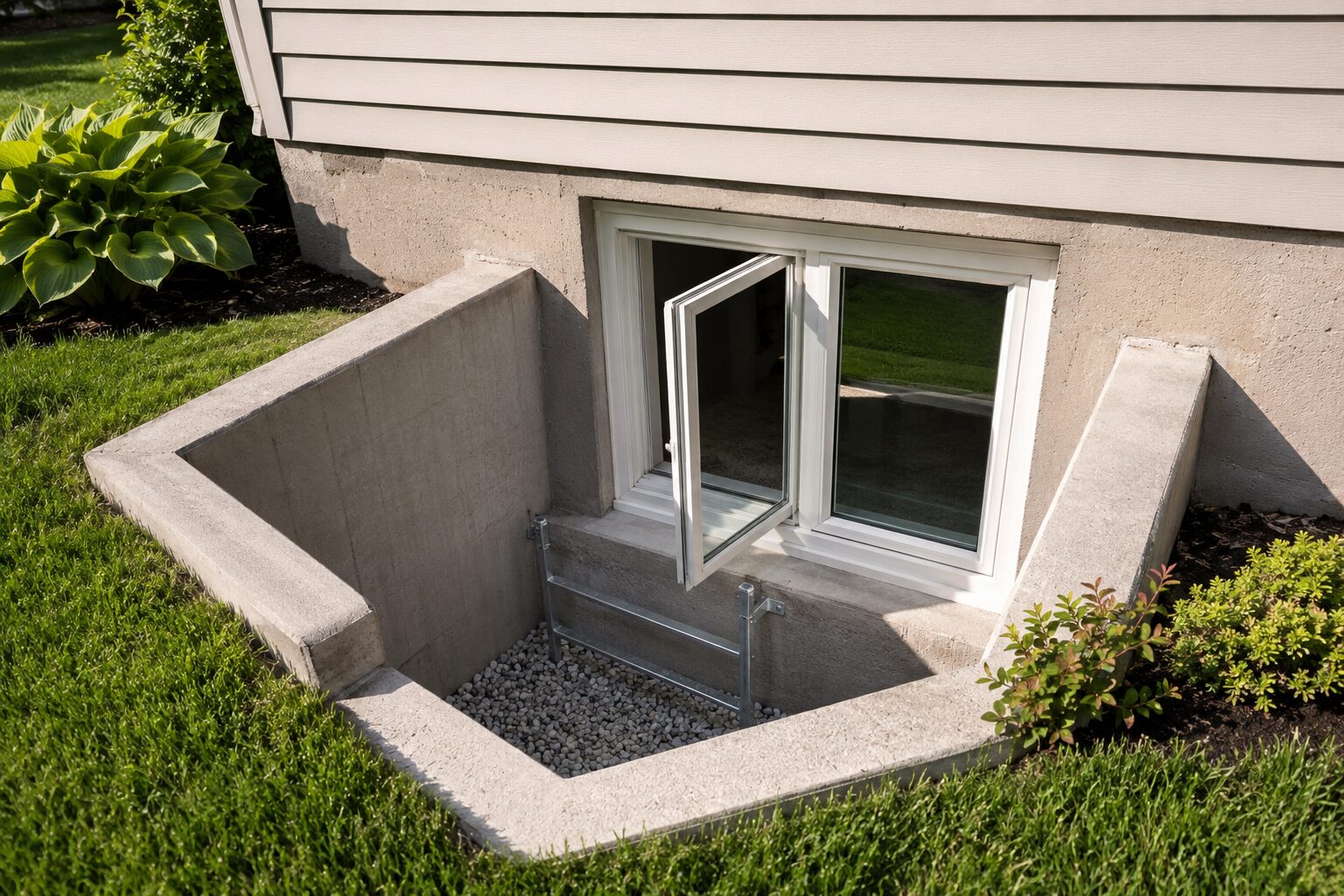
Landscaping and grading matter more than you might think. If soil slopes toward your foundation instead of away from it, water can pool against your home’s exterior walls. This creates hydrostatic pressure that forces moisture through siding, sheathing, and eventually into window assemblies. Proper grading keeps water moving away from your home and your windows.
The Role of Structural Movement and Settling
Your home is constantly moving. Seasonal temperature changes cause materials to expand and contract. Soil beneath your foundation shifts with moisture levels. Over years or decades, homes settle into their sites.
This movement is usually gradual and harmless, but it puts stress on every fixed component in your house—including windows. When a house settles unevenly or experiences significant structural shifts, window frames can rack out of square. This misalignment prevents windows from operating properly, creates gaps that allow air and water infiltration, and puts stress on seals and glass.
Warning signs of structural stress on windows include:
- Windows that suddenly become difficult to open or close
- Visible gaps appearing between the frame and the wall
- Cracks forming in drywall around window openings
- Diagonal stress cracks in the glass itself
If you notice these symptoms, the issue may extend beyond the window itself. A professional evaluation can determine whether structural repairs are needed before window replacement makes sense.
Interior Moisture and Ventilation Problems
While exterior water management protects windows from the outside, interior moisture control is equally important. High humidity inside your home accelerates seal failure, promotes condensation, and creates conditions for mold and rot.
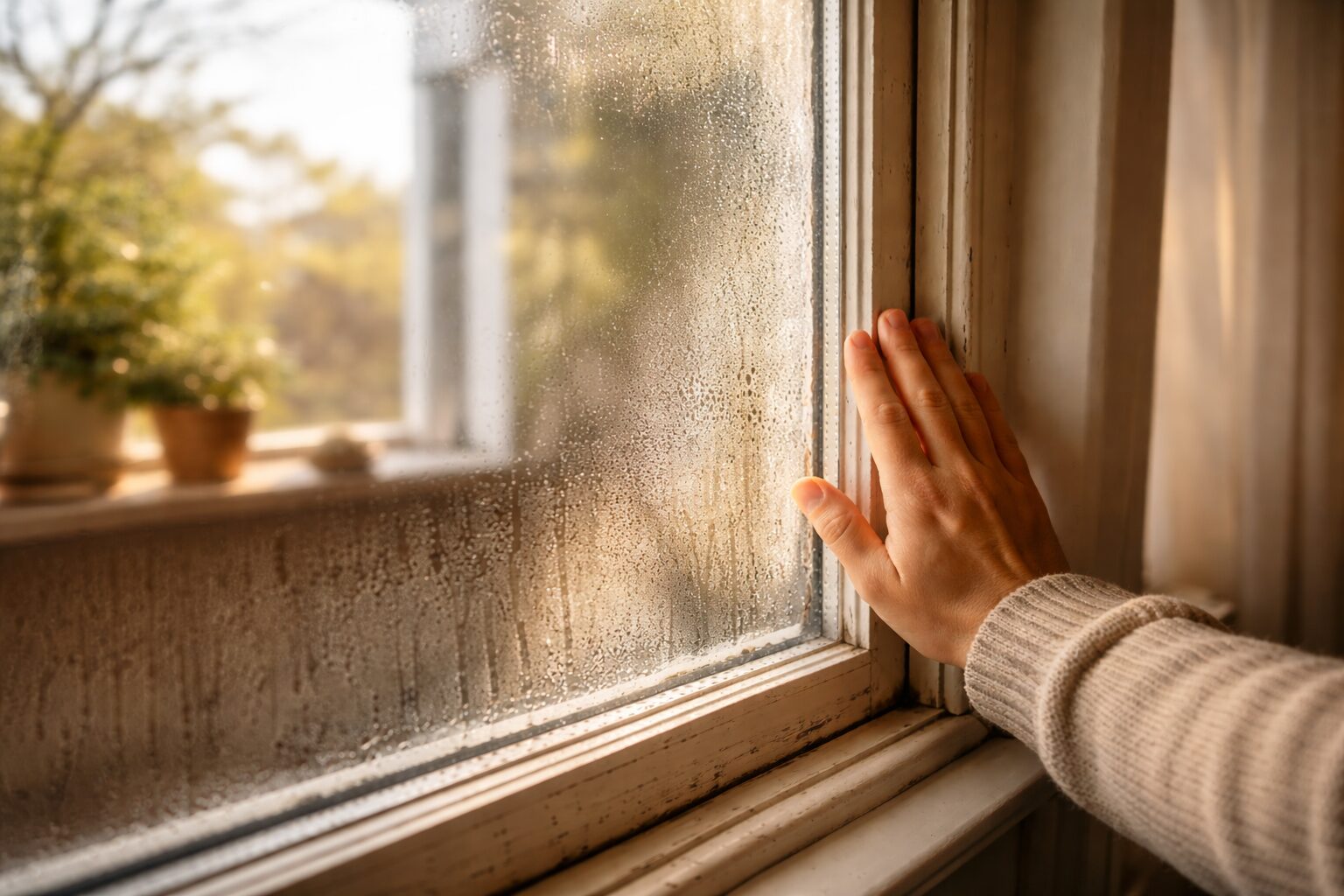
Condensation on windows is often dismissed as a minor annoyance, but it’s actually a warning sign of excess interior moisture. When warm, humid air meets cold glass, water vapor condenses into droplets. Over time, this moisture can damage wood frames, compromise weatherstripping, and even contribute to seal failure in double-pane windows.
Common sources of excess interior humidity include:
- Inadequate bathroom and kitchen ventilation
- Dryer vents that exhaust into the home
- Humidifiers set too high for seasonal conditions
- Poor attic ventilation that traps moisture in living spaces
Improving ventilation through exhaust fans, dehumidifiers, or whole-house ventilation systems reduces stress on your windows and protects your entire home from moisture-related damage.
Sun Exposure and Thermal Stress
Windows on the south and west sides of your home face the most intense solar exposure. UV radiation and temperature extremes create thermal stress that accelerates seal failure and frame deterioration.
Seal failure in insulated glass units often begins on sun-exposed windows. The constant heating and cooling cycles cause the seal materials to expand and contract, eventually creating microscopic gaps that allow moisture infiltration. Once moisture enters the airspace between panes, you’ll see fogging or condensation that can’t be wiped away—a clear sign the seal has failed.
Frame materials respond differently to sun exposure. Vinyl can warp or discolor under intense heat. Wood frames dry out and crack. Even metal frames expand and contract, potentially loosening fasteners and weatherstripping over time.
While you can’t eliminate sun exposure, you can minimize damage by maintaining exterior finishes, using window treatments during peak sun hours, and choosing appropriate window materials for your climate and exposure during replacement.
Early Warning Signs You Should Never Ignore
Catching window problems early gives you more options and prevents minor issues from escalating into major failures. Watch for these warning signs:
Fogging between glass panes indicates seal failure. The window’s insulating value is compromised, and the condition will only worsen.
Visible rot or soft spots in wooden window frames require immediate attention. Wood rot spreads quickly and can extend into wall framing if left unchecked.
Drafts and air leaks around windows waste energy and allow moisture infiltration. Run your hand around window perimeters on a cold, windy day to detect leaks.
Sticking or binding windows may indicate structural issues, moisture damage, or failing hardware that needs professional diagnosis.
Water stains on walls or sills suggest active leaks that could be damaging your home’s structure.
Peeling paint or damaged caulking creates entry points for moisture and should be addressed promptly.
Preventive Steps to Extend Window Lifespan
You don’t have to wait for problems to develop. Proactive maintenance can add years to your windows’ functional life.
Start with regular cleaning and inspection. Twice a year, clean window tracks, lubricate moving parts, check weatherstripping for damage, and inspect caulking for gaps or cracks.
Maintain proper home humidity levels, especially during winter months. Aim for 30-40% relative humidity to minimize condensation without drying out your home excessively.
Keep gutters and downspouts clear to prevent water from cascading over your window areas.
Refresh exterior caulking every few years as needed. This simple, affordable step prevents water infiltration and protects your window investment.
Address structural concerns promptly. If you notice foundation cracks, uneven settling, or other signs of structural movement, consult a professional before these issues damage your windows.
When to Repair vs. Replace
Not every window problem requires complete replacement. Many issues can be addressed through targeted repairs that restore function and extend service life.
Seal failures in double-pane windows can sometimes be repaired by replacing the glass unit while keeping the existing frame intact—a more affordable option than full replacement.
Operational problems often stem from worn hardware, damaged weatherstripping, or minor misalignment that can be corrected without removing the entire window.
Minor rot or damage in otherwise sound frames can be repaired and sealed to prevent progression.
However, extensive rot, severe structural damage, or outdated single-pane windows typically warrant full replacement for both performance and long-term value.
A professional window evaluation can provide honest guidance on which approach makes the most sense for your specific situation and budget.
Protect Your Investment with Professional Insight
Your windows are a significant investment in your home’s comfort, energy efficiency, and appearance. Understanding how your entire home affects window health empowers you to spot problems early and take preventive action.
If you’ve noticed any warning signs or simply want to ensure your windows are properly protected, Window Man Inc. offers professional inspections and honest assessments. Our team can identify issues before they become costly failures and recommend the most cost-effective solutions—whether that’s simple maintenance, targeted repairs, or strategic replacement.
Don’t wait until a minor problem becomes a major expense. Contact Window Man Inc. today to schedule a thorough window evaluation and protect your home for years to come.