Winter in Indiana doesn’t mess around. With an average of 25.5 inches of snow hitting Indianapolis and temperatures regularly dipping to 21°F (or below), your windows and doors face some serious challenges. The good news? A few hours of fall maintenance can save you hundreds on heating bills and prevent those dreaded frozen-door mornings.
Here’s everything Indianapolis-area homeowners need to know about winter window preparation.
Why Winter Prep Really Matters
According to the U.S. Department of Energy, drafty windows and doors account for 25-30% of your home’s heating costs. That’s nearly one-third of your energy bill literally going out the window.
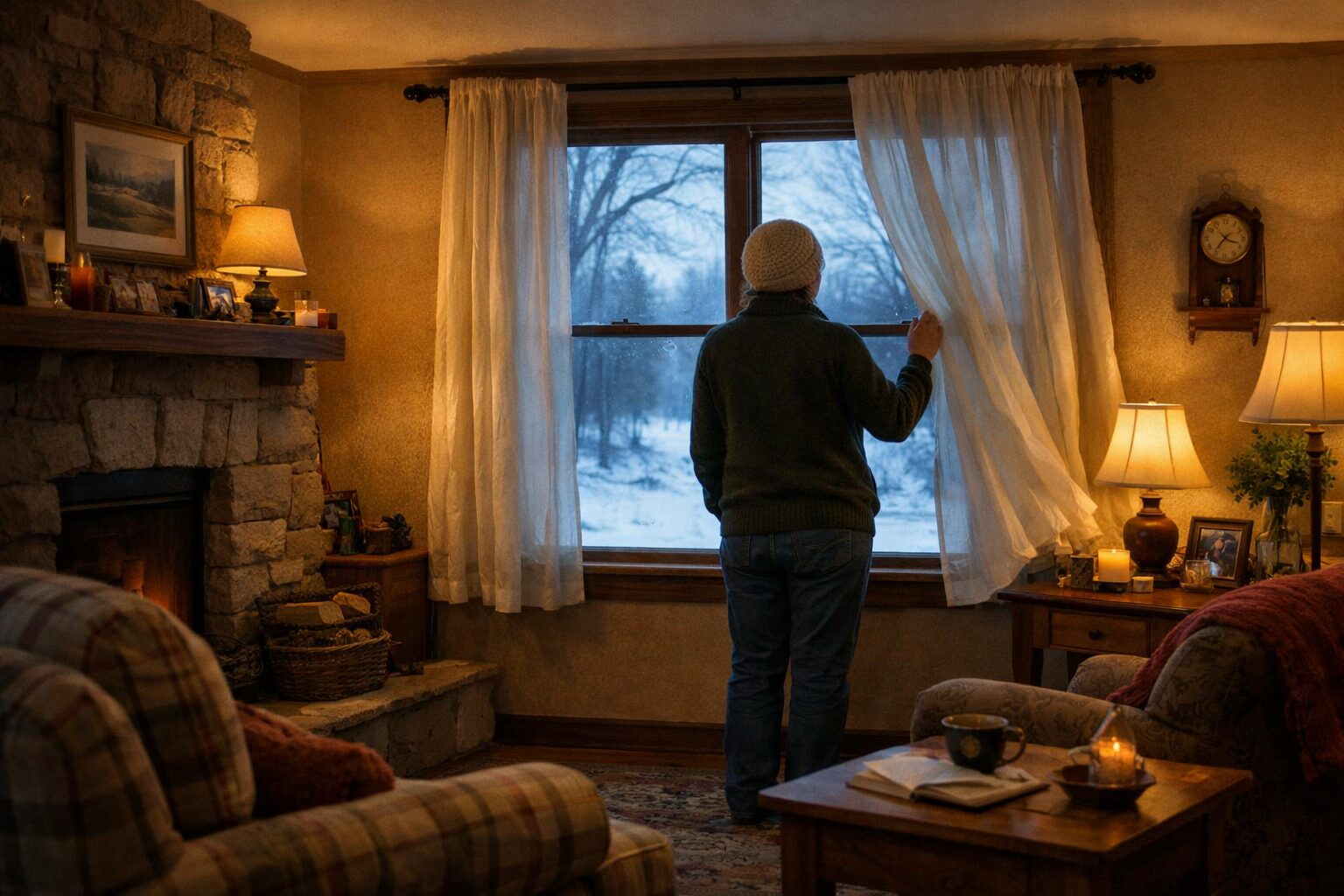
Beyond the money, there’s comfort. Nobody wants to huddle under blankets because cold drafts make your living room feel like a walk-in freezer—even with the thermostat set to 72°F.
And then there’s the damage factor. Indiana’s freeze-thaw cycles wreak havoc on seals and caulking. Moisture intrusion leads to mold, rot, and expensive repairs. Plus, frozen doors aren’t just inconvenient—they can be dangerous in emergencies when you need a quick exit.
Bottom line: A little prevention now beats costly repairs later.
Your Pre-Winter Window Checklist
1. Inspect Window Seals & Caulking
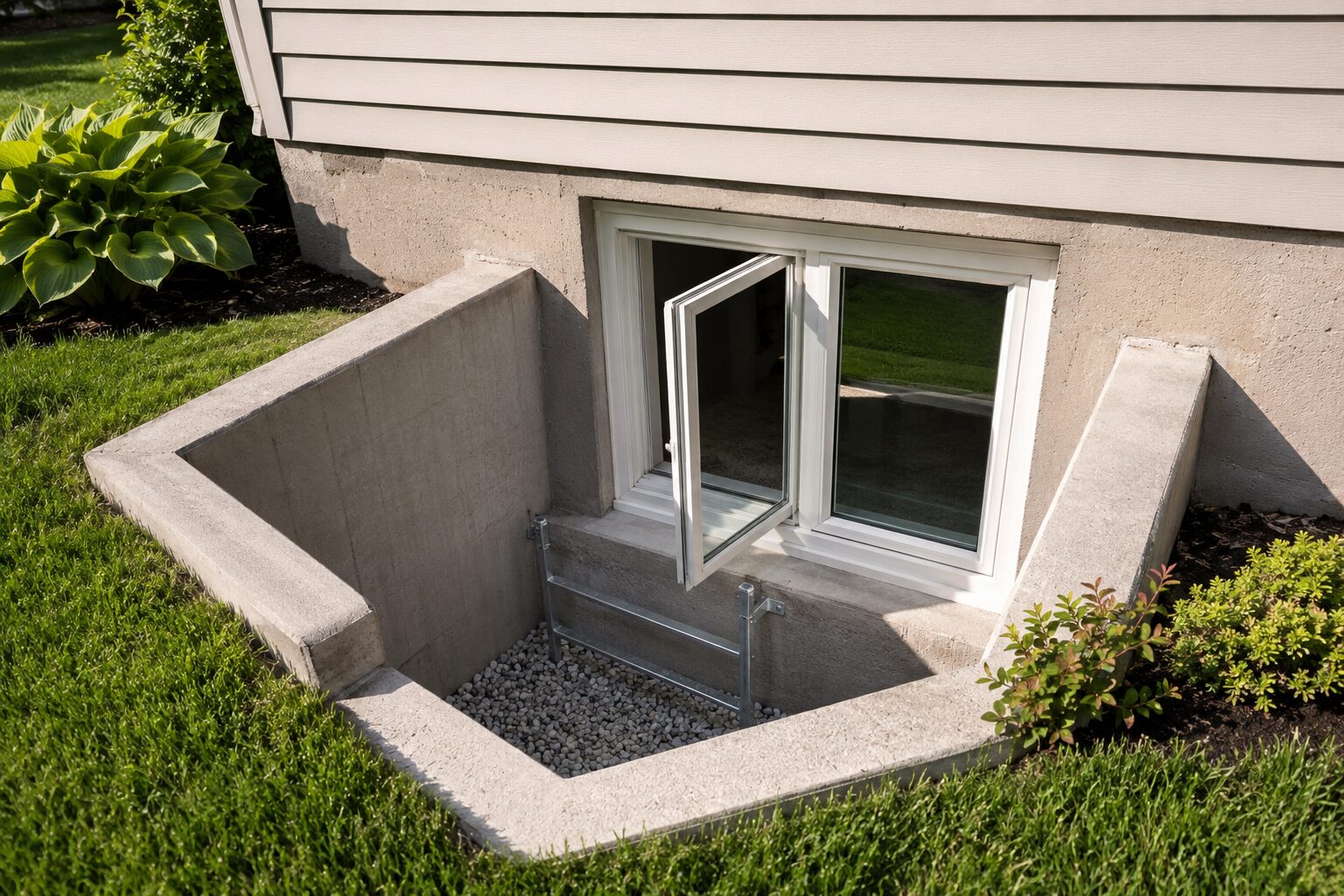
Walk around your home’s exterior and check the caulking around each window. Pay special attention to:
- Lower corners where water collects
- Where the window frame meets the siding
- Any visible cracks, gaps, or peeling
Action step: If you spot problems, apply fresh exterior-grade silicone caulk on any mild day above 45°F. This creates an air barrier that dramatically improves energy efficiency.
2. Test & Replace Weatherstripping
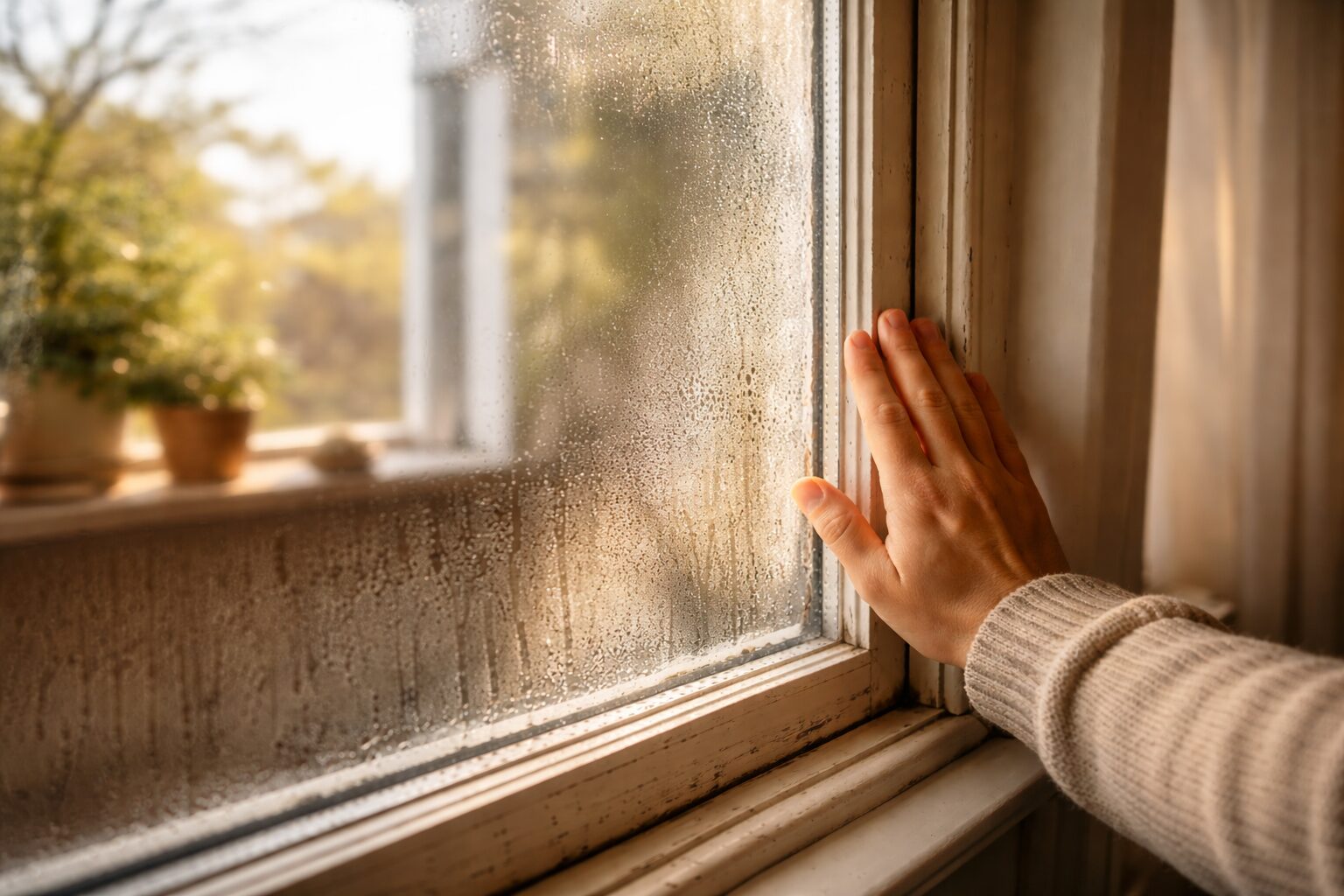
Run your hand around closed windows from the inside. Feel a draft? Your weatherstripping has seen better days.
DIY draft test: Hold a lit candle or incense stick near window edges. If the flame flickers or smoke wavers, you’ve got an air leak.
Replace any weatherstripping that’s cracked, compressed, or missing. Most hardware stores carry adhesive foam strips, V-channel, or tubular rubber options that you can install yourself in minutes.
3. Check for Condensation Between Panes
See fogging or moisture between your double-pane windows? That’s a failed seal, which means the insulating gas (argon or krypton) has escaped. Your windows can lose up to 50% of their insulation ability when this happens.
Unfortunately, this isn’t a DIY fix—you’ll need professional repair or window replacement to restore efficiency.
4. Test Window Operation
Make sure every window opens and closes smoothly. This isn’t just about convenience—windows are emergency exits in case of fire.
Check that locks engage properly for security. If hardware feels sticky, a little silicone spray lubricant works wonders.
5. Clean Your Windows
Here’s a tip many people miss: Clean windows let in more solar heat on sunny winter days. That free warmth can actually help lower your heating costs.
Use a vinegar-based solution to prevent streaks in cold weather, and clean both inside and outside for maximum effect.
Your Pre-Winter Door Maintenance Checklist
1. Install or Replace Door Sweeps
A door sweep creates an air-tight seal between the bottom of your door and the threshold. This stops cold air, snow, and ice from sneaking underneath.
Pro tip: Choose an adjustable sweep for a perfect fit, and make sure it stays in firm contact with the threshold when the door is closed.
2. Inspect & Replace Weatherstripping
Check the weatherstripping on all four sides of your exterior doors. If you see tears, compression, or visible gaps, it’s time to replace it.
Most types come with self-adhesive backing, making installation straightforward. Bonus tip: Install foam gaskets behind outlet and switch covers on exterior walls near doors—these are often overlooked sources of cold air infiltration.
3. Check Door Alignment
A misaligned door leaves gaps that let warm air escape and cold air rush in. Worse, moisture can condense in those gaps and freeze your door shut overnight.
Your door should close smoothly without forcing. If it’s sticking, scraping, or won’t latch properly, the frame may be out of square. This often requires professional adjustment.
4. Lubricate Locks & Hinges
Frozen locks are no joke when you’re trying to get into your house on a subzero morning.
Use silicone spray on hinges and locks to prevent freezing. Important: Don’t use WD-40 on rubber door seals—it can degrade them over time. For sliding door tracks, graphite lubricant is your best friend.
5. Clear Drainage & Threshold Areas
Remove leaves, dirt, and debris from door thresholds and tracks. These areas need proper drainage to prevent ice buildup.
Throughout winter, keep the area around exterior doors clear of snow accumulation. Even a few inches of snow can melt, seep under the door, and refreeze overnight.
Preventing Winter Condensation Problems
Ever notice condensation or ice forming on your windows and doors? Here’s why it happens: Warm, humid indoor air meets cold glass or metal surfaces = moisture = ice.
Control Indoor Humidity
- Aim for 30-50% humidity in winter
- Use exhaust fans in bathrooms and kitchens
- Run a dehumidifier in damp areas (especially basements)
- Crack windows open for a few minutes on warmer days to exchange stale indoor air for drier outdoor air
Maximize Solar Heat
- Keep curtains and blinds open during sunny days
- Let natural warmth reduce your heating load
- Close them at sunset to trap heat inside
Storm Door Strategy
If you have storm doors and notice frost buildup, drill small ventilation holes near the top and bottom. This improves air circulation and prevents moisture from getting trapped between the doors.
When to Repair vs. Replace
Not every problem requires new windows or doors. Here’s how to decide:
Repair/Maintain If:
- You have minor caulking or weatherstripping issues
- Windows operate smoothly
- There’s no condensation between panes
- Frames are solid with no rot or warping
Consider Replacement If:
- Drafts persist even after repairs
- You see fogging or condensation between panes (seal failure)
- Frames show visible rot, warping, or feel soft/spongy
- Windows are 20+ years old with multiple issues
- They’re difficult to open/close or won’t lock securely
- Your energy bills keep climbing despite maintenance efforts
Investment note: Modern energy-efficient windows can reduce your heating and cooling costs by 10-25% and increase your home’s value. Sometimes replacement is the smarter long-term choice.
Stay Warm This Winter
A few hours of fall maintenance protects your Indianapolis home all winter long. These simple steps prevent frozen doors, eliminate drafts, and keep energy bills manageable during Indiana’s coldest months.
Remember: Weatherstripping and caulking are your first line of defense. Control humidity to prevent condensation. And don’t ignore warning signs like persistent drafts or fogging between panes—they’ll only get worse.
When DIY Isn’t Enough
If you’re experiencing persistent problems despite your best maintenance efforts—constant drafts, condensation between window panes, or energy bills that make you wince—it might be time for professional help.
At Window Man, we’ve been protecting central Indiana homes for over 25 years. We believe in honest advice without high-pressure sales tactics. Whether you need simple repairs or energy-efficient replacement windows and doors, we’ll give you the straight truth about what your home needs.
Schedule your free consultation today. Visit our showroom to see the difference quality windows make, or give us a call. Let’s make sure your home is ready for whatever winter throws at it.
Serving Indianapolis and central Indiana with quality replacement windows, doors, and honest service since day one.