As temperatures drop across Indianapolis, your windows become your home’s first line of defense against the cold. But what happens when that defense has cracks in the armor? Many homeowners don’t realize their windows are failing until they’re hit with sky-high heating bills or dealing with uncomfortable drafts during the coldest months.
If you’ve been wondering whether it’s time to replace your windows, fall is actually the perfect time to assess their condition—before winter weather arrives. Here are five critical warning signs that your windows need replacement, and why addressing them now can save you money and discomfort all season long.
1. Condensation or Fog Between Window Panes
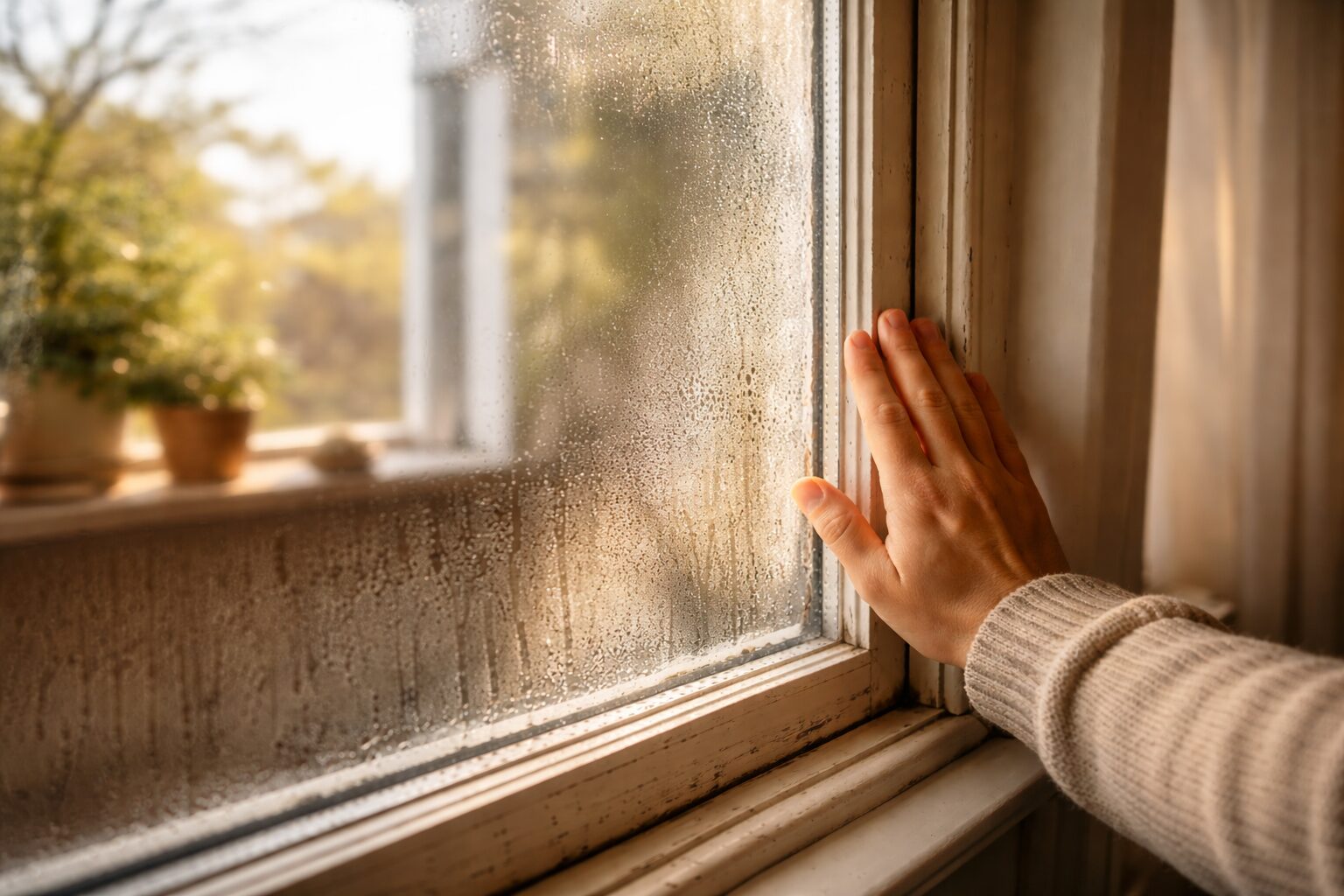
This is the most obvious—and most serious—sign of window seal failure. If you notice moisture, fog, or a cloudy haze between your window panes that you can’t wipe away, your window seal has already failed.
Modern double-pane and triple-pane windows are designed with an insulating gas (typically argon or krypton) sealed between the glass layers. When the seal breaks, this gas escapes and is replaced by regular air containing moisture. As temperatures fluctuate, this trapped moisture condenses on the interior glass surfaces, creating that telltale foggy appearance.
Unlike normal condensation that forms on the surface of windows due to temperature differences—which is completely normal and can be wiped away—condensation between panes is irreversible without window replacement. Over time, this trapped moisture can lead to:
- Permanent glass etching or staining
- Mineral deposits that cloud your view
- Mold or mildew growth between the panes
- Significantly reduced insulation value
Once a window seal fails, it will continue collecting moisture. There’s no repair option that restores the window’s original performance—replacement is the only solution.
2. Noticeable Drafts and Temperature Fluctuations
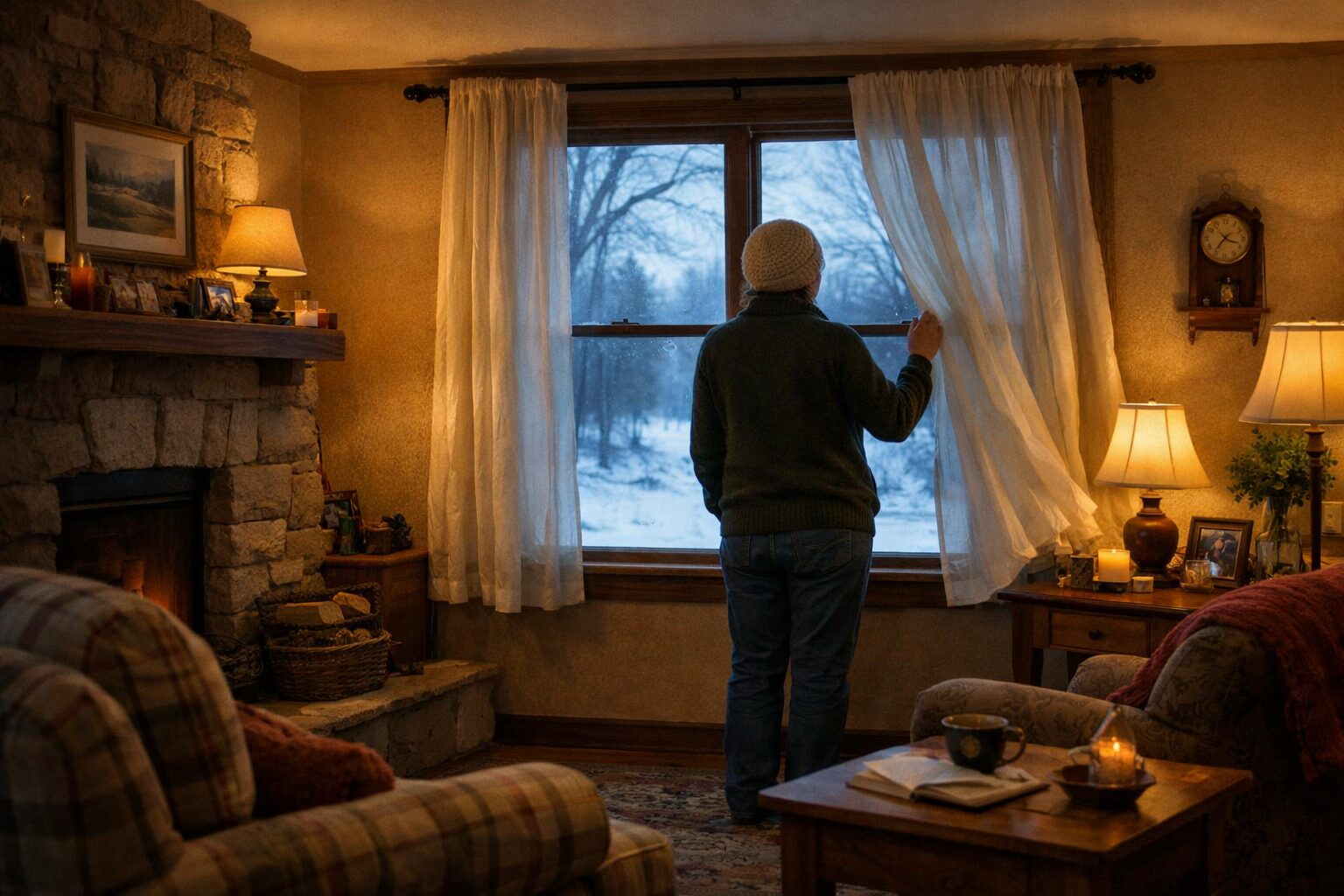
Do you feel a chill when you walk past your windows, even when they’re closed and locked? That’s not normal, and it’s costing you money.
Failed window seals often result in noticeable drafts around the window frame, particularly during windy conditions or when there’s a significant temperature difference between indoors and outdoors. You might notice:
- Cold air seeping in around the edges of the window
- Rooms that feel significantly colder near windows
- Difficulty maintaining consistent temperatures throughout your home
- The need to wear extra layers indoors, even with the heat running
Here’s a simple test: On a windy day, hold a lit candle or lighter carefully near your window edges (never leaving it unattended). If the flame flickers, you have air leakage. This is a clear sign your windows are no longer providing an effective thermal barrier.
In Indianapolis, where we experience both bitter winter cold and humid summers, compromised windows create uncomfortable temperature variations year-round. Rooms with failed seals feel drafty in winter and excessively warm in summer, making it nearly impossible to maintain comfortable living conditions without overworking your HVAC system.
3. Rising Energy Bills
Have you noticed your heating costs creeping up over the past few seasons, even though your usage hasn’t changed? Your windows might be the culprit.
When window seals fail and insulation deteriorates, your heating and cooling system has to work significantly harder to maintain your desired temperature. Studies show that windows can account for up to 25-30% of residential heating and cooling costs when they’re not energy-efficient.
For Indianapolis homeowners, the financial impact is substantial. Energy-efficient replacement windows can save families anywhere from $175 to $465 annually on utility bills, depending on what you’re replacing. Over the 20-25 year lifespan of quality windows, that’s thousands of dollars in savings.
Beyond the direct cost of higher utility bills, failed window seals also accelerate wear on your HVAC equipment due to increased runtime. This can lead to premature system replacement—a major expense that could have been avoided with timely window replacement.
If you’ve noticed a steady increase in your energy costs without a corresponding increase in usage, especially during peak heating or cooling months, your windows are likely contributing to the problem.
4. Difficulty Opening, Closing, or Locking Windows
Windows should operate smoothly and lock securely. If you’re struggling with any of the following, it’s time for replacement:
- Windows that stick or are hard to open
- Sashes that won’t stay open without propping
- Locks that don’t engage properly or feel loose
- Windows you have to force shut
Difficulty operating windows often results from frame warping caused by moisture exposure from failed seals. In Indianapolis’s humid climate, moisture infiltration can cause wooden frames to swell and rot, while even vinyl frames can warp under stress.
Beyond the inconvenience, windows that don’t operate properly create serious safety concerns. In an emergency, you need to be able to open windows quickly for escape routes. Malfunctioning windows also compromise your home security, as locks that don’t engage properly make your home vulnerable to break-ins.
5. Visible Frame Damage or Deterioration
Take a close look at your window frames. Do you see:
- Peeling, bubbling, or chipped paint
- Black spots indicating mold or mildew growth
- Soft spots or visible rot in wooden frames
- Cracking or warping in vinyl frames
- Water stains on walls around the window
- Daylight visible through gaps in the frame
These signs indicate moisture infiltration and structural deterioration. Window frames showing their age aren’t just an aesthetic issue—they signal that the window is no longer performing its primary function of protecting your home from the elements.
Mold and mildew around window frames pose health risks, particularly for family members with allergies or respiratory sensitivities. Wood rot weakens the structural integrity of your window opening and can spread to surrounding wall framing if left unchecked.
Why Fall Is the Ideal Time for Window Replacement in Indianapolis
If you’ve identified any of these warning signs, you might be wondering about timing. While window replacement can be done year-round, fall offers several advantages for Indianapolis homeowners:
Weather Cooperation: Moderate temperatures and lower humidity make installation easier and more comfortable. Installers can work efficiently without extreme heat or cold, and your home won’t be exposed to harsh conditions during installation.
Pre-Winter Preparation: Replacing windows before winter arrives means you’ll immediately start enjoying energy savings during the most expensive heating months. You won’t spend another winter battling drafts and high utility bills.
Potential Availability: Summer and winter are peak seasons for window replacement, often leading to higher prices and longer wait times. Spring and fall typically offer better availability.
Tax Credits and Rebates: Energy Star-certified windows may qualify for federal tax credits (currently 30% through 2032) and local utility rebates. Installing before year-end ensures you can claim these savings on your taxes.
The Bottom Line
Your windows play a critical role in your home’s comfort, energy efficiency, and protection from the elements. When they start showing signs of failure, the problems only get worse—and more expensive—over time.
If you’ve noticed condensation between panes, drafts, rising energy bills, operational difficulties, or visible frame damage, don’t wait until the first cold snap to take action. A professional window evaluation can help you understand the extent of the problem and explore your replacement options.
At Window Man Inc., we help Indianapolis homeowners select and install high-performance replacement windows designed to handle everything our demanding Midwest climate throws at them—from July heat waves to January ice storms. Our windows provide superior insulation, reduce energy costs, and enhance your home’s comfort year-round.
Ready to upgrade your windows before winter? Contact Window Man Inc. today for a free, no-pressure consultation. We’ll assess your specific needs, explain your options, and provide honest, transparent guidance to help you make the best decision for your home and budget.
Don’t spend another winter fighting drafty windows and high heating bills. Let us help you create a more comfortable, energy-efficient home this season.