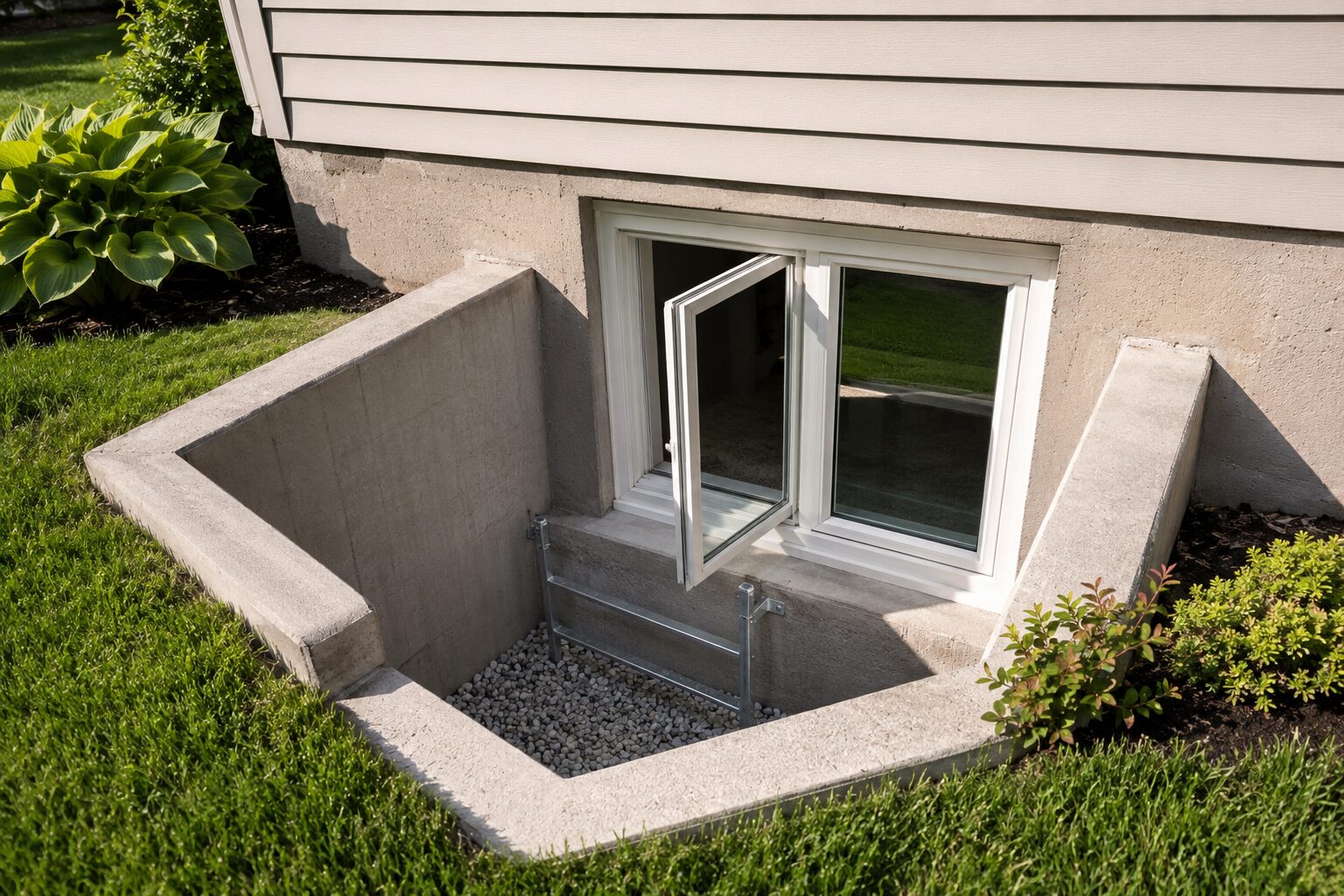
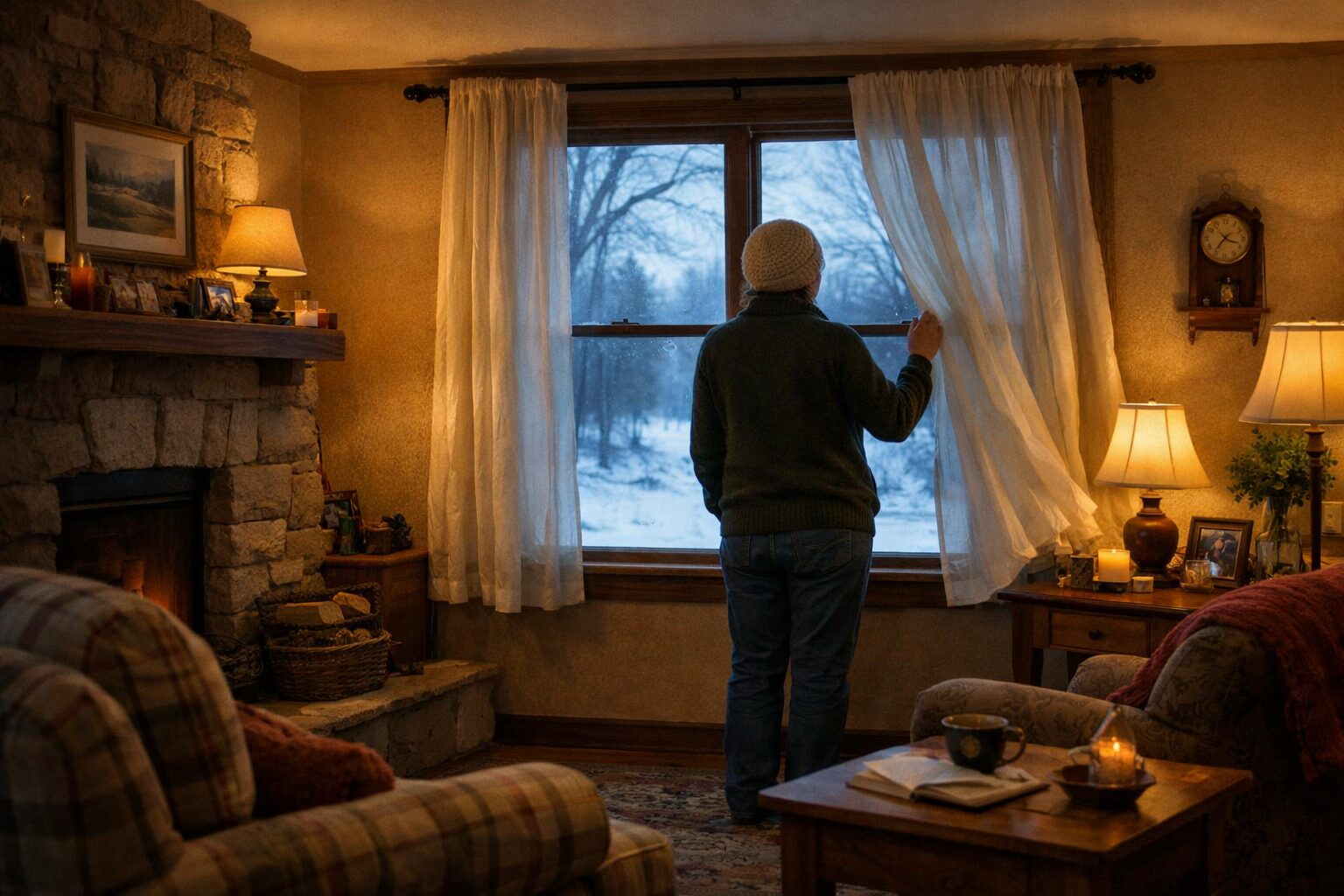
Central Indiana winters can be brutal, and if you’re feeling cold air sneaking in around your windows, you’re literally watching your money blow away. The good news? You don’t need to replace your windows right away to stay warmer and cut your heating bill. These DIY draft-proofing solutions can buy you time—and comfort—until you’re ready for new windows. But it’s also important to know when temporary fixes won’t cut it anymore.
Weatherstripping: Your First Line of Defense
Weatherstripping seals air leaks around windows and is one of the easiest and most affordable ways to improve energy efficiency. Adhesive foam tape works well for doors and windows—just cut it to size and secure it along areas where you feel a draft. For double-hung windows, you’ll want V-channel weatherstripping for the sides and foam tape for the bottom sash.
The process is straightforward: clean the surface first so the adhesive sticks properly, measure carefully to avoid gaps, and press it firmly into place. The whole job takes about 20 minutes per window. This is one of the most cost-effective improvements you can make, especially if your windows are otherwise in decent shape but just need better sealing.
DIY Options
Window Film Kits
Window film is one of the most affordable ways to add insulation to single-pane windows, and you can find kits that cover multiple windows for around $15. The clear film creates an insulating air pocket that can reduce heat loss by up to 55%.
Apply double-sided tape around your window frame, press the film onto the tape, then use a hair dryer to shrink it tight. The heat makes the wrinkles disappear and creates a smooth, almost invisible barrier. It’s removable in spring when you want to open your windows again, making it a perfect temporary solution. You can measure the window, cut the film so it’s one inch larger than the window opening on all sides, apply the tape, line up the film, and use a blow dryer set to high about five inches away from the plastic.
Rope Caulk for Gaps
Rope caulk is affordable and easy to use—just press it into window gaps to seal out winter winds, then peel it off in summer. It’s perfect for windows you won’t be opening until spring. Unlike permanent caulk, rope caulk stays pliable and can be removed without damage.
For more permanent sealing, use regular caulk around the exterior window frame where it meets the siding. Go around the edges of your windows with a heavy-duty, weatherproof window caulk before winter hits. Look for caulk that won’t shrink or crack when exposed to snow and rain.
Draft Stoppers
Draft stoppers are tubes placed on window sills to quickly block gaps. They’re an easy, no-commitment fix for windows with drafts along the bottom. You can buy them at any hardware store or make your own by filling a fabric tube with rice. Store-bought options are constructed using two foam cylinders that fit parallel in a fabric sleeve, positioned on the inside and outside of the window rail to serve as a double barrier.
Thermal Curtains
Fabric window treatments such as thermal curtains can be used year-round to reduce drafts and stabilize your environment. Thick curtains draped over a leaky window can help prevent heat from leaking through the window, keeping your home more energy efficient. While they won’t fix the underlying problem, they add an extra layer of insulation that makes a noticeable difference in comfort.
Don’t Forget to Lock Your Windows
Window locks pull the sashes together, closing up spaces where air can leak through. It sounds simple, but unlocked windows leave gaps that let cold air in. Make sure your windows are locked tight all winter. For larger windows, consider installing two locks a few inches from the outside edges instead of just one in the center to close the gap across the entire sash.
When DIY Isn’t Enough
These solutions work great as temporary fixes, but they’re exactly that—temporary. New windows are energy efficient and may decrease your heating bills, but they also come with a high upfront cost, typically $500-1,000 per window. That’s why it makes sense to try weatherization first if your windows are structurally sound.
But here’s when it’s time to stop putting band-aids on the problem and consider replacement:
Your windows are single-pane. If you live in an older home, it’s likely your windows are single-pane. Single-pane windows simply can’t compete with modern double or triple-pane windows for energy efficiency, no matter how much weatherstripping you add.
You have extensive frame damage. Wooden windows are highly susceptible to rot, especially in humid areas or places that see a lot of rain. Rotting window frames not only compromise the integrity of your windows, but they open your entire home up to mold, mildew, and leaks. If the rot is extensive, frames will need to be replaced. Covering rot with epoxy is just bandaging the problem.
You’re constantly fighting drafts year after year. Repair after repair after repair will add up. If you’ve weatherstripped, caulked, and sealed multiple times and still have drafts every winter, your windows have reached the end of their useful life.
The seals have failed. If you’ve got condensation between panes or foggy glass that won’t wipe clean, the seals have failed and the insulating gas has escaped. At that point, no amount of exterior weatherstripping will restore the window’s efficiency.
When Replacement Makes Financial Sense
ENERGY STAR-certified windows can reduce energy bills by up to 12% annually. Up to 30% of your home’s heat is lost through inefficient windows. If you’re spending hundreds of dollars extra every winter on heating because of drafty windows, new windows will eventually pay for themselves.
New energy-efficient windows will also give you better soundproofing, improved home security, easier operation, and increased home value. Full-frame window replacement gives you a whole new window including the window frame, solving for rattling, ease of opening and closing the window, glass condition and energy-efficiency, rot in the window frame, and lack of insulation.
Get an Honest Assessment
Window Man can help you figure out whether your windows can be saved with simple fixes or if replacement makes more sense. We’ll give you an honest assessment—not a sales pitch. Sometimes weatherstripping and caulking are all you need. Sometimes it’s time to upgrade.
We’ll show you options that fit your budget and explain the real energy savings you can expect. Don’t let another winter drain your wallet or leave you shivering. Let’s talk about getting your windows ready for the cold—whether that means smart repairs or efficient replacements.