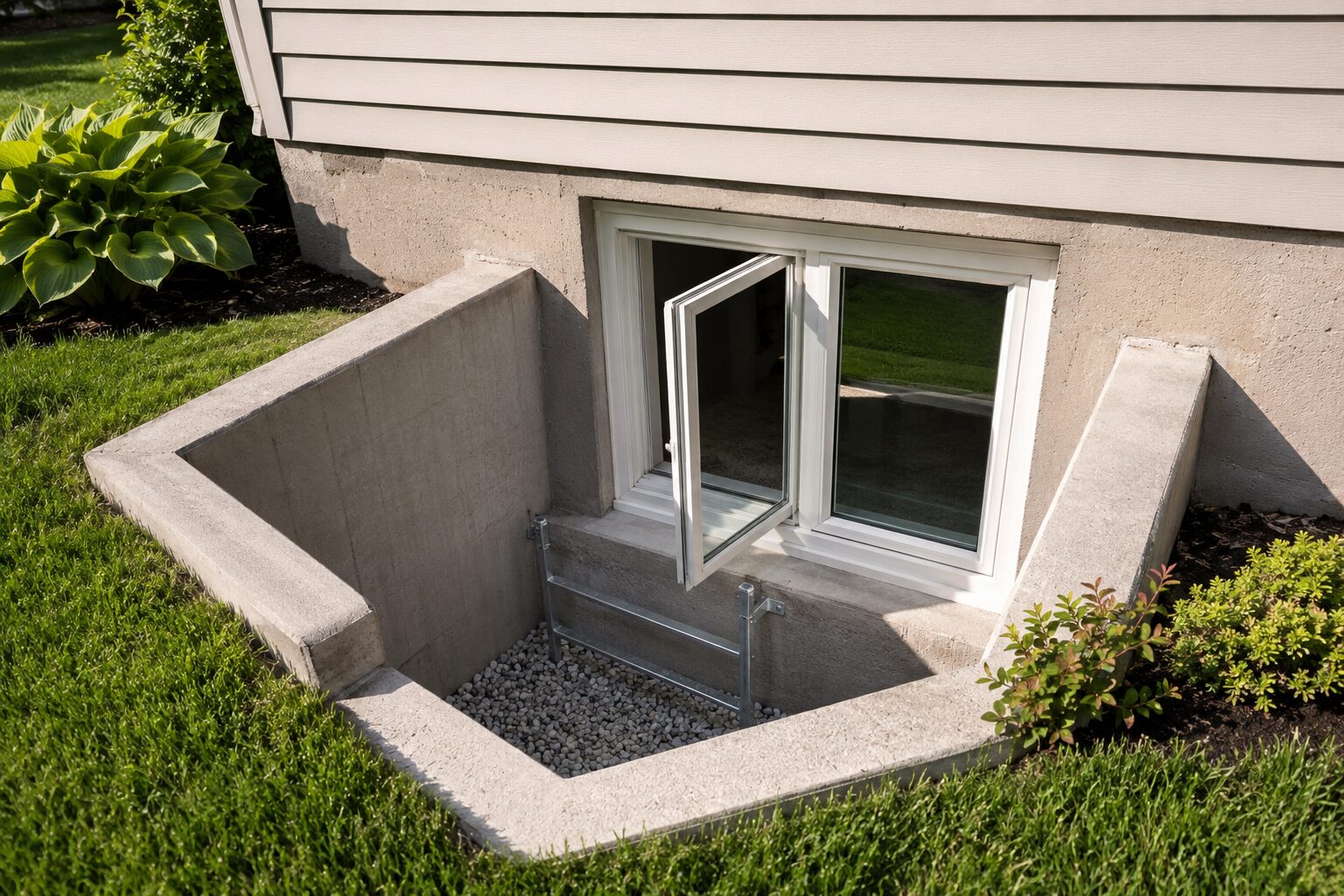
Your windows work harder than you think. Every day, they regulate your home’s temperature, let in natural light, and protect you from the elements. But here’s what most homeowners don’t realize: neglected windows cost you money—sometimes hundreds of dollars in wasted energy each year.
The good news? A little seasonal maintenance goes a long way. Windows that get regular care last 10-15 years longer than neglected ones and can slash your energy bills by up to 25%.
Just like you learned in our guide about when to open your windows for fresh air, maintaining them properly keeps everything running smoothly. This checklist breaks down exactly what to do each season—and when to call the Window Man Inc. team for backup.
Spring Maintenance: Give Your Windows a Fresh Start
Winter takes a toll on windows. Spring is your chance to undo the damage and prep for warmer weather ahead.
Deep Cleaning After Winter
Start with the glass. Mix warm water with a few drops of dish soap for exterior windows—a squeegee beats paper towels every time for streak-free shine. Don’t forget those grimy tracks and sills. A quick vacuum with a brush attachment plus a damp cloth works wonders.
Inside, go gentler. Skip ammonia-based cleaners if you have low-E coatings or tinted windows—they can damage the finish. A microfiber cloth with water or vinegar solution does the job safely.
Different frame materials need different care. Vinyl just needs soap and water. Wood frames need a check for chipped paint. Aluminum? Watch for white, chalky oxidation.
Your Spring Inspection Checklist
Walk through your home and check every window:
Weatherstripping: Press it with your finger. Does it spring back? Any cracks or gaps? Replace anything that looks worn or brittle.
Caulking: Look for separation from the frame or siding, especially outside. Even tiny gaps let air and water sneak in.
Glass condition: Foggy double-pane windows mean failed seals—that’s a job for professionals. Also check for cracks or chips that could spread.
Operation test: Open and close each window. Sticking or resistance now means bigger problems later.
Screen Time
Before you need them, get your screens ready. Pull them out and check for tears, holes, or loose mesh. Small rips in fiberglass screens? Fix them with clear nail polish or a screen repair kit from the hardware store.
Wash screens with a soft brush and soapy water, rinse well, and let them dry completely. Make sure frames aren’t bent and clips are secure. Trust us—you want this done before mosquito season hits.
Summer Prep: Keep Your Cool (and Your Costs Down)
Summer heat, intense sun, and cranked-up AC all affect how your windows perform. A little prep now saves you all season.
Get Everything Moving Smoothly
Before it gets too hot, make sure windows glide easily. Hit the tracks, hinges, and moving parts with silicone-based lubricant—skip oil-based products that just attract dirt. Clean tracks first for best results.
Check every lock and latch. They should close firmly and easily. Tight locks aren’t just for security—they seal windows properly to keep cool air in.
Got casement or awning windows? Test the crank. It should turn smoothly. If not, it might just need lubrication, or the mechanism might need replacing.
Make Your AC Work Smarter
When you’re paying to cool your home, air leaks are literally money floating away. Close and lock each window, then hold a lit incense stick near the frame. If the smoke moves, you’ve got a leak.
Look at your weatherstripping when windows are closed. See daylight? That needs fixing now, before your next electric bill arrives.
If afternoon sun bakes certain rooms, your AC is working overtime. UV films, awnings, or shade screens cut heat gain significantly—and protect your furniture from fading.
Protect Against Sun Damage
Intense summer sun can warp vinyl frames, dry out wood, and fade everything inside. Check south and west-facing windows especially for warping or discoloration.
If you have UV-protective films, inspect them for bubbling or peeling. Damaged films need replacing—they’re not doing their job anymore.
Fall Winterization: Your Most Important Seasonal Task
This is the big one. Proper fall prep keeps you warm all winter and prevents expensive damage when temperatures drop.
Weatherproofing That Works
Check every inch of weatherstripping around every window. Fall is when you need perfection—worn spots mean cold drafts and higher heating bills. Replacing weatherstripping is cheap and can cut heating costs by 10-15%.
Outside caulking is critical before winter. Check every spot where your window frame meets siding or brick. See cracks or gaps? Scrape out the old caulk completely before applying new—layering doesn’t work.
Use the right caulk for your climate. For exteriors, choose paintable, weather-resistant caulk that stays flexible when it’s freezing. Silicone or polyurethane formulas handle extreme weather better than basic acrylic.
The Draft Test
Do this on a mild day: Close all windows and doors, turn off your HVAC, and light incense sticks. Walk to each window and watch the smoke. Movement means air leaks. Mark these spots and fix them now.
For older or drafty windows, interior storm panels or plastic shrink-film kits add insulation. They’re not pretty, but they work.
Hardware and Operation
Test locks before cold weather makes everything stiff. Lubricate moving parts now so they work smoothly all winter.
Check and adjust any window balance systems—the mechanisms that keep double-hung windows from slamming shut. These often need attention before winter.
Don’t Forget the Outside
Clean gutters near windows to prevent overflow that can damage frames and sills. Trim any branches that could break and hit windows during winter storms. Check exterior trim and sills for rot or damage that could get worse with snow and ice.
Energy Efficiency Check
Walk around inside on a cold morning and feel for drafts near windows. Cold spots mean air is getting in. This simple test tells you where to focus your weatherproofing efforts.
Consider whether window upgrades make financial sense. If you’re constantly fighting drafts or your heating bills are through the roof, replacement windows typically pay for themselves in 8-12 years through energy savings.
Winter Monitoring: Stay Ahead of Problems
Even with great fall prep, winter brings challenges that need watching.
Managing Condensation
Interior condensation isn’t just annoying—it signals problems. Excess moisture can damage frames, rot wood, and promote mold growth.
Condensation happens when warm, humid indoor air hits cold glass. Reduce it by running bathroom and kitchen exhaust fans, using a dehumidifier, or cracking windows briefly to let moisture escape (yes, even in winter).
If condensation appears between double-pane glass, that’s a failed seal requiring professional replacement.
Draft Detection and Quick Fixes
Notice new drafts during a cold snap? Temporary solutions like draft snakes or removable caulk cord get you through winter. Note these spots for permanent repairs in spring.
Snow and Ice Safety
Never chip ice off windows—you’ll crack the glass. Let it melt naturally or use lukewarm (not hot) water to speed the process.
Watch for ice dams on your roof near windows. They can force water behind your window frames, causing major damage. If you spot ice dams, call professionals—fixing the root cause requires proper attic insulation and ventilation.
DIY vs. Professional Service: Know When to Call Window Man Inc.
Some maintenance tasks are perfect DIY projects. Others? Leave them to pros who do this every day.
Handle These Yourself
Most homeowners can easily manage:
- Basic cleaning and seasonal inspections
- Simple weatherstripping replacement
- Hardware adjustments and lubrication
- Minor caulking touch-ups
These tasks require minimal tools and take just a few hours.
Call Window Man Inc. For:
Some jobs need professional expertise:
Glass replacement or repair: Broken seals, cracked panes, or shattered glass require proper tools and safety equipment.
Structural frame issues: Rot, warping, or damage to frames affects your home’s structure and energy efficiency.
Balance system failures: These mechanisms are tricky to repair without experience.
Major weatherproofing overhauls: Extensive air leakage often indicates problems beyond simple weatherstripping.
Pre-purchase inspections: Buying a home? Our thorough window assessment can save you from expensive surprises.
Annual professional maintenance packages: Let our team handle everything so you don’t have to think about it.
Red Flags That Need Professional Attention
Call Window Man Inc. if you notice:
- Windows that stick or won’t open/close properly
- Visible frame damage, rot, or deterioration
- Persistent drafts despite your DIY efforts
- Condensation between double-pane glass
- Water stains or intrusion around frames
- Cracked or broken glass
- Windows that won’t stay open or slam shut unexpectedly
Why Choose Professional Maintenance?
Our team brings serious advantages:
Expert eyes: We spot small problems before they become expensive repairs. A tiny crack today could be a full window replacement next year.
Proper tools and materials: Professional-grade products last longer and perform better than consumer options.
Safety first: Upper-floor windows require proper equipment and training. Don’t risk a fall.
Warranty protection: Professional repairs often come with warranties that DIY fixes don’t.
Time savings: Our team completes in hours what might take you an entire weekend.
Year-Round Best Practices
Between seasonal tasks, simple habits keep windows in top shape:
Monthly Quick Checks (5 minutes): Walk through your home and look at windows. Open and close a few. Wipe down sills. Watch for anything unusual like new cracks, sticking, or moisture.
Keep Records: Note when you replace weatherstripping, re-caulk, or have professional service. This helps you plan future maintenance and can boost home value when selling.
Budget Smartly: Set aside $200-500 annually for window maintenance and repairs. This prevents scrambling when something needs immediate attention.
The Long-Term Payoff: Proper maintenance extends window life by 10+ years. Quality windows cost $300-1,000+ each to replace. The math is simple—a few hours of seasonal care saves thousands in replacement costs.
Keep Your Windows Running Smoothly Year After Year
Windows are one of your home’s biggest investments. Treat them right, and they’ll reward you with decades of reliable performance, lower energy bills, and a comfortable home.
This seasonal approach to maintenance isn’t complicated—it just requires consistency. Spring cleaning and inspection, summer efficiency checks, fall winterization, and winter monitoring create a rhythm that becomes second nature.
Ready to Get Started?
Download our free printable seasonal maintenance checklist to keep track of tasks throughout the year. Check off items as you complete them, and note any concerns for professional attention.
Need Help?
Whether you need a complete maintenance overhaul, have spotted problems that need expert attention, or just want peace of mind from a professional inspection, Window Man Inc. is here to help.
Our experienced team serves homeowners throughout the area with comprehensive window services—from routine maintenance to full replacements. We’ve seen every window problem imaginable, and we know how to fix them right the first time.
Contact Window Man Inc. today to schedule your window assessment or ask about our annual maintenance packages. Let us handle the work so you can enjoy the benefits of smooth-running, energy-efficient windows.
And don’t forget to check out our other helpful guides, including when to open your windows for optimal air quality and how to choose the right windows for your home.