As a homeowner, navigating the world of windows can feel overwhelming with all the technical jargon thrown around by contractors, manufacturers, and salespeople. Whether you’re shopping for new windows, planning a replacement project, or simply trying to understand your home’s energy efficiency, knowing key terms is essential. This comprehensive glossary defines common window terminology in plain, everyday English. We’ve organized it alphabetically for easy reference, making it a go-to resource for questions like “what is Low-E glass?” or “what does U-factor mean?” Bookmark this page the next time you’re researching window upgrades to save energy, improve comfort, and boost your home’s value.
A
Aluminum-Clad Frame: A window frame made of wood on the inside but covered with aluminum on the outside. This design combines the warmth and insulation of wood with the durability and low maintenance of aluminum, protecting against weather while looking great indoors.
Annealed Glass: Basic window glass that’s cooled slowly during manufacturing. It’s affordable but not as strong as tempered or impact glass—when it breaks, it shatters into sharp pieces.
Argon Gas: A colorless, non-toxic gas filled between the panes of double- or triple-pane windows. It acts as an insulator, reducing heat transfer to keep your home warmer in winter and cooler in summer.
Awning Window: A window hinged at the top that swings outward from the bottom, like a flap. It’s great for ventilation even during light rain.
B
Balance: A spring-loaded or mechanical device in hung windows (like double-hung) that counterbalances the weight of the sash, making it easier to open and close without slamming.
Bay Window: A set of three or more windows that project outward from the wall, creating a small alcove. Often features a large center window flanked by two smaller ones for added light and space.
C
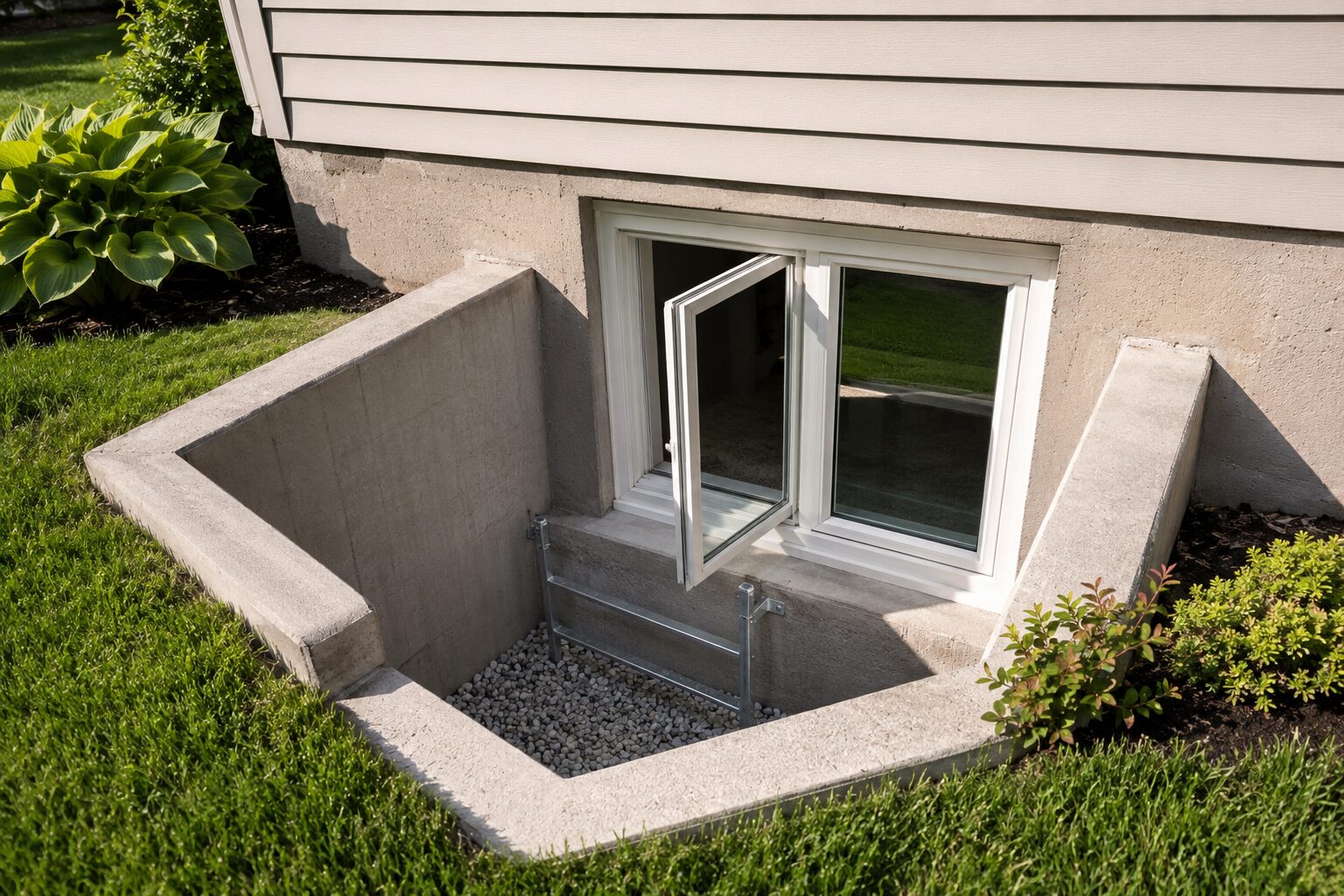
Casement Window: A window hinged on one side that swings open like a door, usually outward. It provides excellent ventilation and unobstructed views when open.
Casing: Decorative trim or molding around the inside of a window frame. It covers the gap between the frame and the wall for a finished look.
Check Rail: The horizontal bar where the upper and lower sashes meet in a double-hung window. It’s where locks are often placed for security.
D
Double-Hung Window: A classic window style with two sashes that slide up and down vertically. Both can open for ventilation, and many tilt inward for easy cleaning.
Double-Pane Glass: Two layers of glass with a space (air or gas-filled) between them. This setup improves insulation, reduces noise, and enhances energy efficiency compared to single-pane windows.
E
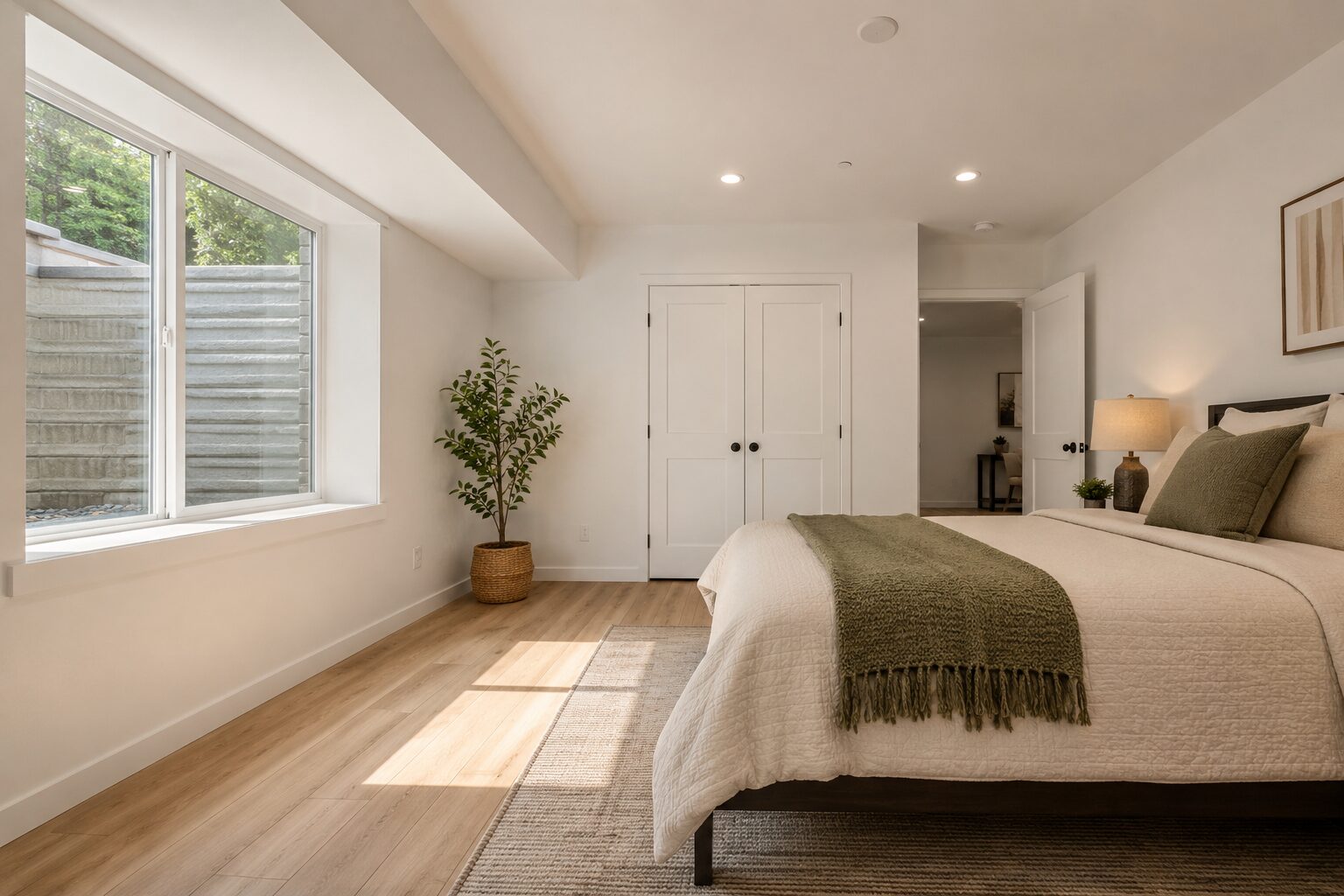
Egress Window: A window large enough to serve as an emergency exit, typically required in bedrooms or basements. Check local building codes for size and placement rules.
ENERGY STAR® Certified: A label from the U.S. EPA indicating a window meets strict energy efficiency standards. It considers factors like U-factor and solar heat gain to help lower utility bills.
F
Fiberglass Frame: A strong, durable window frame material that’s resistant to warping, rotting, and extreme weather. It’s energy-efficient and low-maintenance, ideal for harsh climates.
Fixed Window: A non-opening window, also called stationary or picture window. It’s designed purely for light and views, often used in combination with operable windows.
Frame: The outer structure that holds the entire window in place, including the head (top), jambs (sides), and sill (bottom).
G
Glazing: The process of installing glass into a window frame, or simply referring to the glass itself. Multi-glazed windows (like double or triple) have multiple layers for better performance.
Grille: Decorative bars that divide a window pane into smaller sections, giving the look of multiple glass pieces. They can be between the glass, on the surface, or removable.
H
Head: The top horizontal part of the window frame.
J
Jamb: The vertical sides of the window frame that run from top to bottom. Extension jambs can be added to fit thicker walls.
L
Laminated Glass: Multiple layers of glass bonded with a plastic interlayer. If it breaks, the pieces stick together, making it safer and more soundproof—great for storm-prone areas.
Low-E (Low-Emissivity) Glass: Glass coated with a thin, invisible layer that reflects heat while allowing light in. It helps keep heat inside during winter and out during summer, improving energy efficiency and reducing UV fading.
M
Mullion: A vertical or horizontal structural bar that joins two or more windows together in a single opening, providing support and separation.
Muntin: Narrow strips of wood, metal, or plastic that divide a window sash into smaller panes. Historically used to hold individual glass pieces; now often decorative.
O
Operator: The crank handle used to open and close casement or awning windows.
R
Rail: The horizontal parts of a window sash—top rail at the upper edge, bottom rail at the lower edge, and check rail in the middle for double-hung styles.
Rough Opening: The framed opening in a wall where the window will be installed. It’s larger than the window itself to allow for shimming and insulation.
S
Sash: The movable part of the window that holds the glass. In hung windows, sashes slide up and down; in casements, they swing open.
Screen: A mesh covering (metal, fiberglass, or plastic) over the window opening to let in air and light while keeping out insects.
Sill: The bottom horizontal part of the window frame, often sloped to shed water away from the house.
Solar Heat Gain Coefficient (SHGC): A measure of how much solar heat a window lets into your home (lower number means less heat gain). Important for climates where cooling costs are high.
T
Tempered Glass: Safety glass that’s heat-treated to be stronger than regular glass. When it breaks, it crumbles into small, blunt pieces to reduce injury risk.
Transom: A small window above a door or another window, often fixed, for extra light and ventilation.
U
U-Factor (U-Value): A rating of how well a window prevents heat from escaping (lower number is better). It’s key for energy efficiency—look for low U-factors in cold climates.
V
Vinyl Frame: An affordable, low-maintenance window frame made from PVC. It’s energy-efficient, resistant to moisture, and doesn’t need painting.
W
Weatherstrip: Strips of flexible material around the window sash and frame to seal gaps, preventing drafts, water, and noise from entering.
This glossary covers the essentials to empower you as a homeowner. If you’re tackling a window project, consult professionals for personalized advice. Understanding these terms can lead to smarter choices, better energy savings, and a more comfortable home.