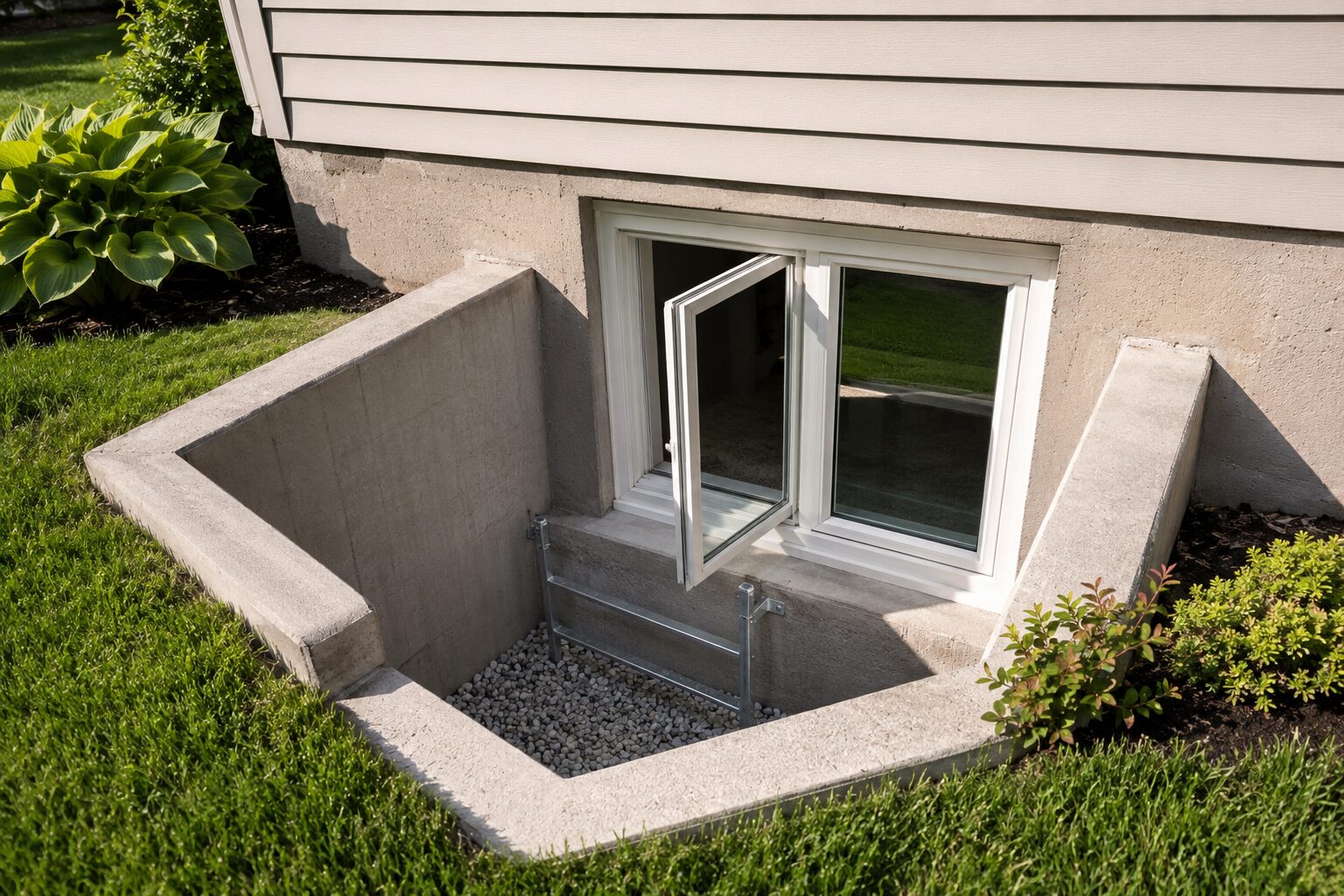
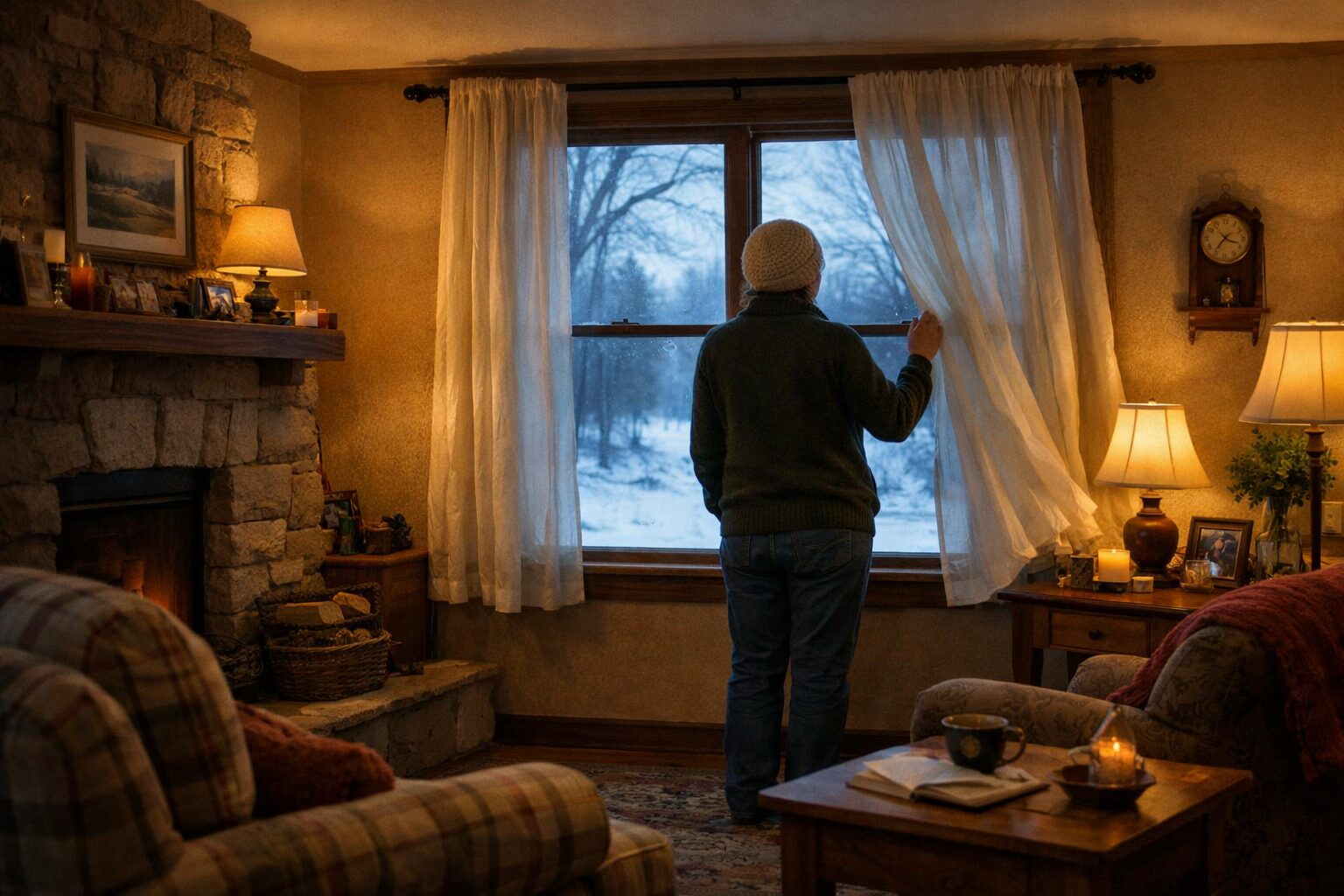
When temperatures plunge and snow lingers, homes get sealed up tight—and suddenly windows feel icy. It’s natural to want to “do something.” Some solutions help. Others just feel helpful. Here’s a clear breakdown of what actually improves comfort during extreme cold.
Why Windows Feel Colder During Snowstorms
Even well-sealed windows lose heat when outdoor temperatures drop sharply. Glass cools faster than walls, creating radiant cold—that chilly feeling without an actual draft. During prolonged cold snaps, this temperature difference becomes much more noticeable.
Window Coverings That Actually Help
Thermal curtains
These add a real insulating layer, especially at night and on north-facing windows. For best results, close them fully and seal the sides as much as possible.
Cellular (honeycomb) shades
Their built-in air pockets slow heat loss and work well for everyday winter use without blocking light.
Draft blockers at sills
Simple, inexpensive, and effective—especially for older windows where cold air settles near the bottom.
Temporary Solutions That Can Help (With Limits)
Plastic window insulation kits
Useful during extreme cold when installed tightly and fully sealed. Loose edges or gaps reduce effectiveness.
Bubble wrap
It traps air and can reduce radiant cold, but it’s a short-term solution best reserved for garages or rarely used rooms.
What Doesn’t Really Help
- Taping cardboard or blankets directly to glass
- Coverings that don’t seal at the edges
- Blocking airflow entirely, which can worsen condensation problems
These approaches may feel warmer briefly but often create moisture issues without real insulation benefits.
Safety & Moisture Considerations
Trapped moisture is a winter risk. Poor airflow can lead to condensation, mold, and hidden damage. Effective winter solutions balance insulation and breathability.
When Window Coverings Aren’t Enough
If you notice persistent cold zones, ongoing condensation, or ice forming inside despite coverings, the issue likely goes beyond surface comfort and points to window performance.
Window coverings are a helpful short-term comfort tool, not a cure-all. Quality windows should still feel livable—even during extreme cold. If winter keeps revealing the same problem areas, Window Man is here to help you understand your options and plan wisely.