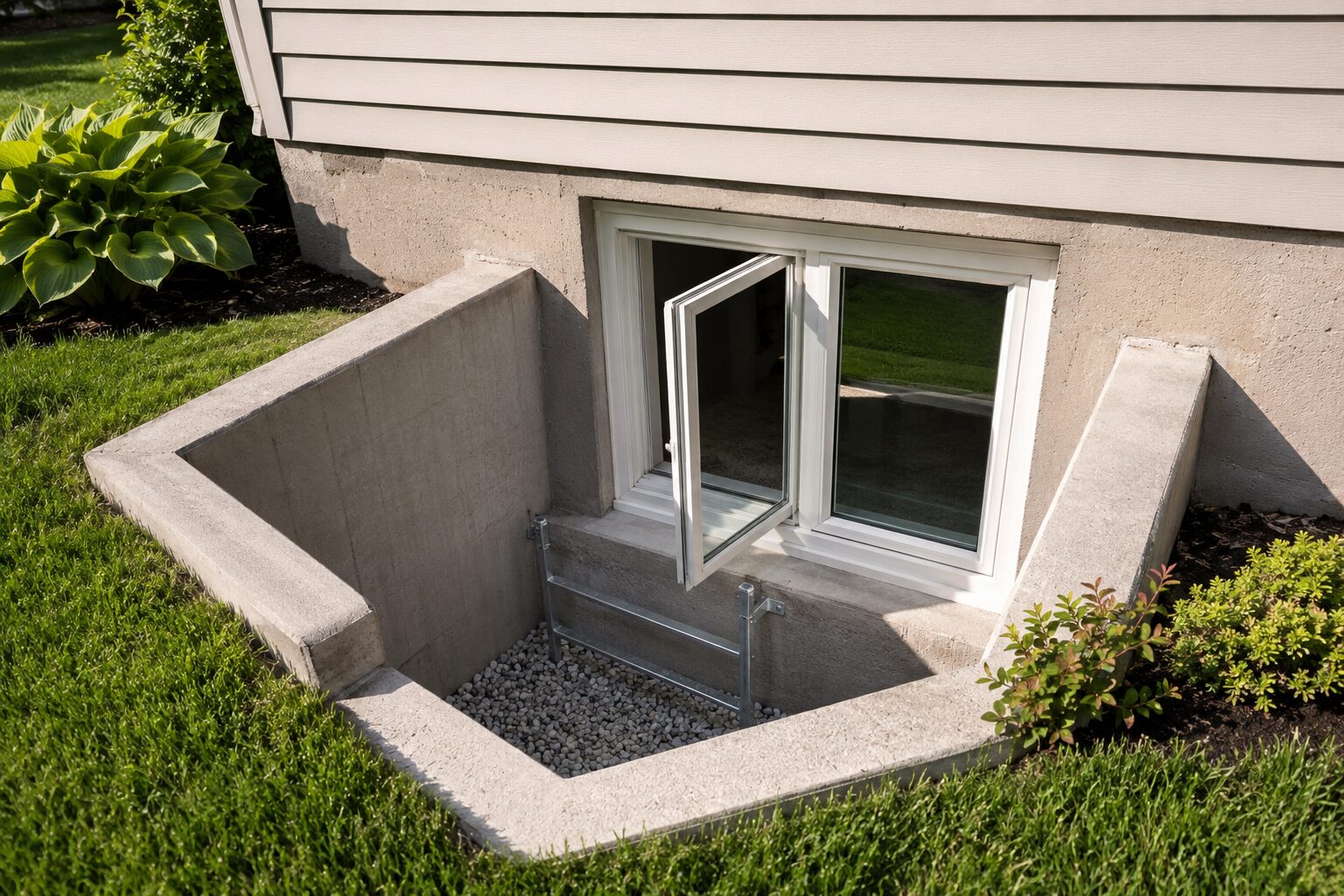
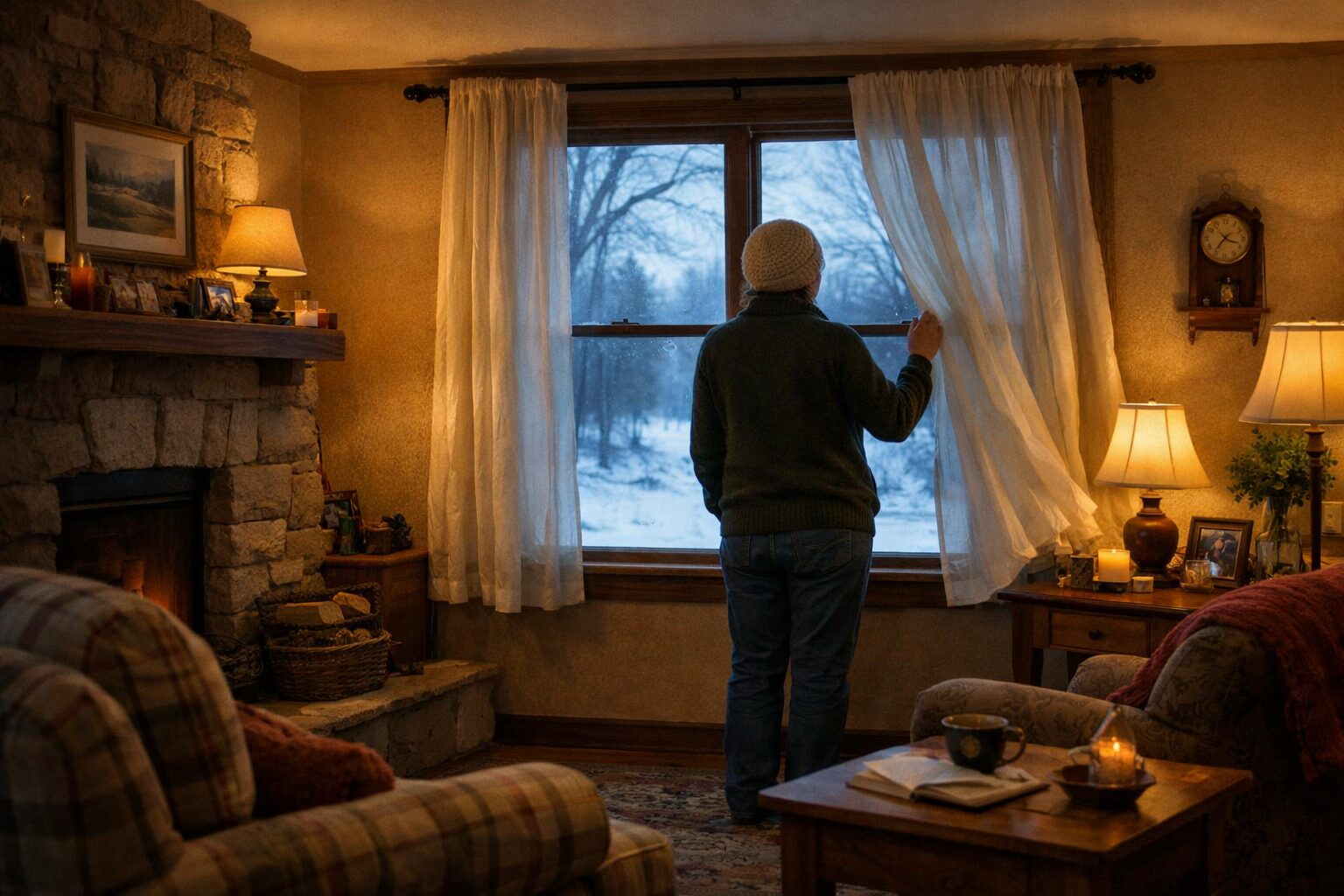
There’s nothing quite like a fresh snowfall transforming your yard into a winter wonderland. You settle in with your morning coffee, ready to enjoy the peaceful scene outside—only to realize your windows are so smudged and streaky you can barely make out the snow-covered trees. You grab your usual glass cleaner, give the windows a quick spray and wipe, and somehow they look worse. Welcome to the frustrating reality of winter window cleaning.
The good news? Crystal-clear windows in cold weather aren’t impossible—you just need to adjust your approach. Here’s how to get streak-free windows that let you actually enjoy those beautiful Indiana winter views.
Why Winter Window Cleaning Is So Tricky
Before we dive into solutions, it helps to understand why your usual cleaning routine fails when temperatures drop.
Cold temperatures cause cleaning solutions to evaporate too quickly or even freeze on the glass before you can wipe them away. Low humidity makes streaking worse because there’s less moisture in the air to keep the solution workable. Then there’s the condensation issue—the temperature difference between your warm interior and the frigid outdoors creates fog and moisture that interferes with cleaning. Add in less winter sunlight, and you might not even notice streaks until you’ve already put your supplies away.
Pick the Right Temperature and Timing
Timing is everything when cleaning windows in winter. If possible, clean on days when temperatures are above 32°F—this prevents your cleaning solution from freezing on the glass. Aim for mid-morning to early afternoon when the sun provides some warmth but isn’t creating harsh glare that makes streaks harder to see.
Check your forecast and avoid cleaning right before freezing rain or snow is expected. And here’s a simple trick: you can clean your interior windows anytime since you control the temperature inside. Start there on the coldest days.
Mix a Winter-Specific Cleaning Solution
This is where most people go wrong—they reach for the same cleaner they use in summer, and it simply doesn’t work in cold conditions.
Skip your regular formula and try this winter-specific solution: Mix 2 cups of water with 1/4 cup white vinegar and 1/2 teaspoon dish soap. For exterior windows, add 1-2 tablespoons of rubbing alcohol to prevent freezing. Use room temperature water, not cold—it works better and won’t shock the glass.
If you prefer commercial cleaners, look for winter formulas or those with antifreeze properties designed specifically for cold weather use.
Gather the Right Tools
Put down those paper towels. In cold weather, they leave behind lint and fibers that create a hazy film on your glass. Instead, use microfiber cloths—they’re more effective and won’t leave residue.
For large windows, a squeegee prevents over-wetting, which is crucial in winter. Keep a small spray bottle that you can warm up inside before heading out to tackle exterior windows. Have a bucket of warm water handy for rinsing your cloths as you work.
Step-by-Step Technique for Streak-Free Results
Now let’s put it all together with a method that actually works in winter conditions.
Start inside first. Your interior windows are in a warm, controlled environment, making them easier to clean and giving you practice before tackling the trickier exterior surfaces.
Dust or vacuum window tracks and sills first. This prevents dirt from mixing with your cleaning solution and creating muddy streaks.
Spray sparingly. This is critical in winter—less is genuinely more. Too much solution equals more streaks because it can’t dry properly in the cold.
Work in small sections. Cleaning solution dries faster in winter, so don’t spray an entire window at once. Do manageable sections to stay ahead of drying.
Wipe in one direction—either top to bottom or side to side, but not in circles. This creates a consistent pattern that minimizes streaking.
Immediately buff with a dry microfiber cloth while the glass is still slightly damp. Don’t wait.
For exterior windows, work quickly and consider enlisting help. One person can spray and wipe while the other follows immediately behind with a dry cloth to buff. This team approach prevents the solution from freezing or drying before you can finish.
Pro Tips to Prevent Future Streaking
A few extra steps now will make your next cleaning session easier.
Keep your interior humidity balanced. Too much humidity causes constant condensation on windows, while too little creates static that attracts dust. Both lead to dirty, streaky windows.
If you have storm windows, clean them separately from your main windows for best results.
Pay special attention to corners, edges, and spots where muntins (the strips that divide window panes) meet the glass—these areas collect grime but often get missed.
When NOT to Clean Your Windows
Sometimes the best cleaning advice is knowing when to wait.
Don’t attempt to clean when temperatures are below freezing (under 32°F)—your solution will freeze on contact. Avoid cleaning during or right before precipitation, and skip days with harsh, direct sunlight that causes too-fast drying and inevitable streaking.
If your windows have frost or ice on them, gently remove it with a plastic scraper first, then clean once the glass has returned to normal temperature.
See Clearly This Winter
The secret to streak-free winter windows isn’t complicated—it’s all about the right solution with cold-weather properties, smart timing, minimal product application, and immediate buffing. You don’t have to tackle every window in your house at once. Start with just one or two windows in your favorite room where you spend the most time enjoying winter views. You’ll be amazed at the difference clean windows make in how much natural light enters your home and how much more you’ll appreciate those snowy Indiana days.
Quick Fix for Emergency Clear Views: If you need to see out RIGHT NOW and don’t have time for a full cleaning session, grab a dry microfiber cloth and add just a tiny bit of rubbing alcohol to it. Buff in circular motions. It won’t be perfect, but it will clear immediate smudges and fog so you can at least enjoy the view.
One final note: If your windows are constantly foggy or streaky no matter how well you clean them, that might indicate seal failure between the panes. At that point, it’s not a cleaning issue—it’s a window issue. The team at Window Man Inc. can help assess whether your windows need professional attention or replacement to restore those clear, beautiful views you deserve.